Top 10 Best Options for Construction Site Offices?

Time:2026-08-12 Author:Oliver
0%

Choosing the right construction site office is critical. With the construction industry growing rapidly, the demand for efficient workspace solutions increases. According to a report by IBISWorld, the construction industry is expected to generate $1.6 trillion by 2024, highlighting the need for optimized operations. When asking what is the best option for construction site offices, it’s essential to consider factors like mobility, durability, and technology integration.

Temporary structures, modular offices, and portable containers are popular choices. Each option serves different needs and budgets. A recent survey by Construction Executive revealed that 75% of construction firms prioritize having a dedicated office space on-site to facilitate communication and decision-making. However, companies must reflect on their specific requirements. Is a modular setup truly adequate for long-term projects? Understanding unique project needs will help identify the best solution.

Moreover, quality matters. A study by ForConstructionPros emphasizes that investing in a well-equipped site office can reduce operational delays by up to 30%. As the industry evolves, staying informed on the best practices for construction site offices is vital for operational efficiency. What works for one project may not suit another, and continual evaluation is necessary for success.
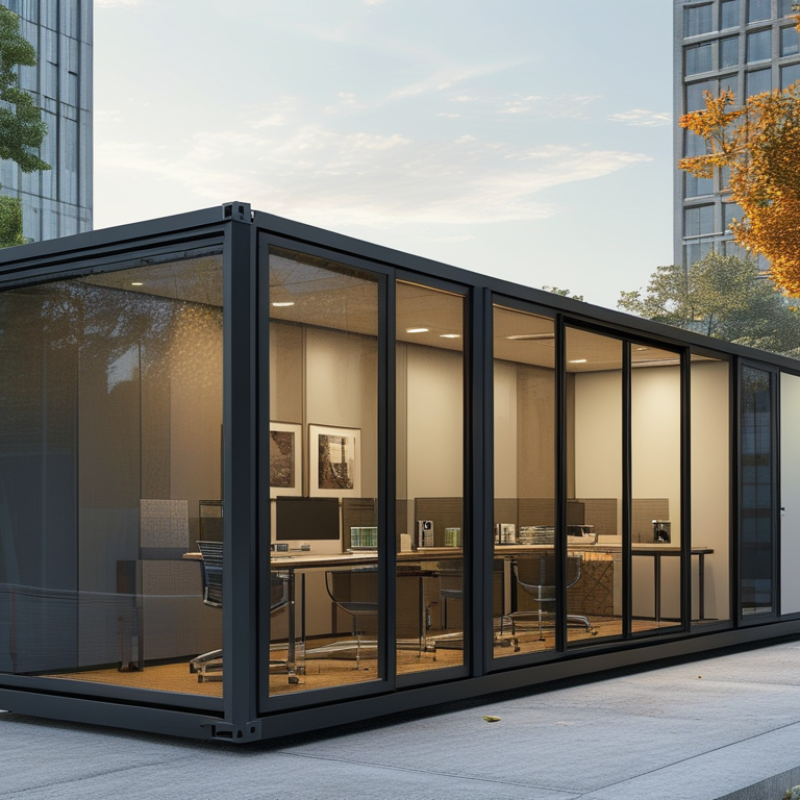
Top 10 Best Options for Construction Site Offices?

Criteria for Selecting the Best Construction Site Office Options

When selecting construction site offices, several criteria must be considered to ensure functionality and efficiency. First, mobility is essential. Many projects require temporary setups. According to a recent industry report, over 70% of construction companies value portable options for quick assembly and disassembly. This flexibility allows for adaptation as site requirements change.

Another critical factor is workspace adequacy. Research indicates that a well-organized office can improve productivity by up to 30%. Workers benefit from designated areas for meetings, planning, and relaxation. Proper ventilation and access to natural light also enhance comfort and performance.

**Tips:** Ensure that the office design includes adequate storage solutions. Overcrowding can lead to inefficiency. Additionally, consider environmental factors like weather resistance and insulation to maintain a conducive working environment.

Lastly, compliance with safety regulations cannot be overlooked. Temporary structures should adhere to local building codes. Regular inspections help identify risks and maintain safety standards, as noted in various safety audits that report a high incidence of issues in non-compliant offices. Finding a balance between cost-efficiency and quality is crucial, ensuring that selected options meet all operational needs while remaining within budget.

Types of Construction Site Offices: Modular, Portable, and On-Site

Construction site offices come in various forms, each serving different needs. Modular offices are popular for their ability to expand and adapt. They are factory-built and assembled on-site. This method ensures precision and quality. Modular units can be customized with insulation and electrical wiring. However, they require careful planning, which can be challenging for some projects.

Portable offices offer flexibility. These units can be moved from one site to another as needed. They are easy to set up and dismantle. Many portable offices include basic amenities like desks and restrooms. On the downside, they can lack durability against extreme weather. Regular maintenance is essential to prolong their lifespan.

On-site offices, built directly on the construction site, provide a permanent solution. These structures can be designed to meet specific project demands. They offer more space and comfort for workers. However, they demand higher initial investment and time commitment. Balancing the budget with the project’s needs can sometimes lead to tough decisions.

Top 10 Best Options for Construction Site Offices

Type Size (sq ft) Material Features Average Cost ($)
Modular Office 200-600 Steel/Aluminum Custom layouts, Insulated 15,000 - 40,000
Portable Office 100-300 Wood/Metal Easy transportation, Basic amenities 5,000 - 15,000
On-Site Trailer 300-900 Steel/Plastic Mobile, Break Room, Restrooms 12,000 - 30,000
Shipping Container Office 160-320 Steel Security, Weatherproof 3,000 - 10,000
Hybrid Office 200-500 Wood/Steel Eco-friendly, Modern Design 20,000 - 50,000
Pop-Up Office 100-250 Fabric/Aluminum Portable, Quick setup 2,000 - 7,000
Custom Modular 400-800 Steel/Concrete Fully Customized, HVAC 25,000 - 60,000
Office Complex 800-2000 Steel/Concrete Multiple Rooms, Meeting Areas 50,000 - 150,000
Temporary Office 150-350 Wood/Metal Minimal Setup, Affordable 4,000 - 12,000
Field Office 300-500 Wood/Plastic On-the-go workspace, Basic amenities 6,000 - 15,000

Top Features to Consider for Construction Site Office Efficiency

When establishing a construction site office, efficiency is key. One important feature is modular design. Research indicates that modular offices can reduce setup time by up to 40%. Flexible configurations allow for quick adjustments based on project phases. This adaptability enhances productivity on-site.

Another essential aspect is technology integration. A recent study shows that digital tools can increase project management efficiency by 30%. Incorporating Wi-Fi, power outlets, and software for communication is crucial. Effective communication reduces misunderstandings and errors, which are common in construction.

Security features should not be overlooked. The National Association of Home Builders reports that theft on construction sites costs the industry billions annually. A well-secured office can protect vital supplies and equipment. Adequate lighting and surveillance strengthen safety, enhancing worker morale. These features collectively contribute to a more efficient construction site office.

Comparing Cost-Effectiveness of Various Construction Office Solutions

Choosing the right construction site office can be challenging. Cost-effectiveness should be a priority. Many studies show that temporary structures like modular offices can save up to 30% compared to traditional brick-and-mortar buildings. Modular units offer flexibility, quick setup, and lower labor costs. An analysis from the Construction Industry Institute states that temporary offices often lead to increased productivity on site.

However, not all solutions fit every project. Portable containers are low-cost but can lack comfort. They may not address seasonal weather conditions effectively. In colder climates, they might need additional heating. Site offices should balance cost with functionality. A report published by the National Bureau of Economic Research indicates that investing slightly more in a well-equipped office can improve worker morale, leading to higher efficiency.

Budget constraints often lead to cutbacks in facilities. If projects are rushed, temporary offices may become subpar. Proper planning is crucial. Investing in ergonomic furniture, lighting, and technology can increase communication among team members. This strategy can mitigate costs linked to delays and mistakes. Reflecting on these choices is essential for long-term success in construction management.

Sustainability and Environmentally Friendly Options for Site Offices

When it comes to construction site offices, sustainability should be a priority. Many temporary structures are still made from non-recyclable materials. This creates waste that harms the environment. Companies can adopt modular designs. These options use recycled materials and can be easily relocated after projects.

Using energy-efficient systems is another way to promote sustainability. Solar panels integrated into site offices can reduce energy consumption significantly. However, the initial costs can be challenging for some companies. It requires a shift in thinking about long-term benefits versus short-term expenses. Incorporating natural ventilation reduces the need for artificial cooling and heating. This choice connects the office with its environment and enhances worker comfort.

Additionally, rainwater harvesting systems can provide an eco-friendly water supply. They reduce the dependency on municipal sources. Yet, this often requires upfront investment and maintenance education for staff. It’s important to address these challenges. By implementing such strategies, companies foster a greener construction process, ultimately benefiting the planet.

FAQS

: What are the main types of construction site offices?

: The main types are modular, portable, and on-site offices, each serving different needs.

How are modular offices constructed?

Modular offices are factory-built and then assembled on-site, ensuring quality and precision in construction.

What are the advantages of portable offices?

Portable offices offer flexibility and are easy to set up and dismantle, making them ideal for temporary locations.

What are some downsides of portable offices?

They may lack durability against extreme weather and require regular maintenance to extend their lifespan.

Why are on-site offices considered permanent solutions?

On-site offices provide tailored design and more space, accommodating specific project requirements and comfort for workers.

What should be considered regarding budget when choosing an office type?

Balancing budget with functionality is crucial; cutting costs can affect the quality and comfort of the workspace.

How can investing in construction offices be beneficial?

A well-equipped office can improve worker morale and efficiency, potentially offsetting initial higher investment costs.

Are temporary offices worth the cost savings?

Yes, many studies indicate that temporary offices can save significantly while boosting productivity on site.

What is the risk of rushed projects?

Rushed projects may compromise the quality of temporary offices, leading to subpar working conditions.

How can effective planning influence construction management?

Proper planning helps avoid delays and mistakes, ultimately contributing to long-term success in the construction process.

Conclusion

When considering what is the best option for construction site offices, it is essential to evaluate various criteria such as functionality, space requirements, and integration with the project workflow. The primary types of construction site offices include modular, portable, and on-site options, each offering unique advantages. Modular offices provide customization and scalability, while portable options are ideal for flexible project locations.

Key features that enhance office efficiency include adequate workspace, connectivity, and amenities to support staff productivity. Analyzing the cost-effectiveness of these solutions is crucial, as it impacts long-term project budgets. Additionally, sustainability plays an increasingly important role, with environmentally friendly options available that not only reduce ecological footprints but can also attract environmentally conscious clients. Ultimately, choosing the right construction site office involves balancing cost, efficiency, sustainability, and the specific needs of the project.

Oliver

Oliver

Oliver is a seasoned marketing professional with a wealth of expertise in driving brand awareness and engagement. With a deep understanding of our company's product offerings, he consistently delivers high-quality content that enriches our professional blog. His insights not only shed light on......