7 Best Reasons Modular Buildings Are Good for Hotels?

Time:2026-09-21 Author:Ethan
0%

Are modular buildings good for hotels? The practical answer is often yes, but it depends on design, location, and management discipline. A hotel assembled from factory-built modules can reduce weather delays, improve consistency, and bring guest rooms to a site faster. Picture a finished bathroom arriving with installed tiles, lighting, plumbing, and tested fittings. That controlled process can limit rework and protect quality.

Roger Krulak, founder of Full Stack Modular and a recognized voice in modular construction, said, “Modular construction is not a shortcut; it is a different way of building.” His point matters for hotel developers. The method shifts more work into a factory, where teams can repeat tasks under stable conditions. It does not remove the need for careful planning.

There are real advantages. Hotels may gain predictable schedules, lower material waste, safer production areas, and more consistent room layouts. Modular construction can also support remote locations where skilled labor or storage space is limited. Guests may notice the result through quieter rooms, accurate finishes, and faster opening dates.

Still, the decision is not automatic. Transport routes, crane access, local approvals, fire requirements, and site foundations can change the budget quickly. A poorly coordinated design may create expensive modifications. That uncomfortable detail deserves attention.

This article examines seven practical reasons modular buildings can benefit hotels, from speed and cost control to sustainability and guest comfort. It also considers the limitations, because a realistic evaluation is more useful than an enthusiastic promise.
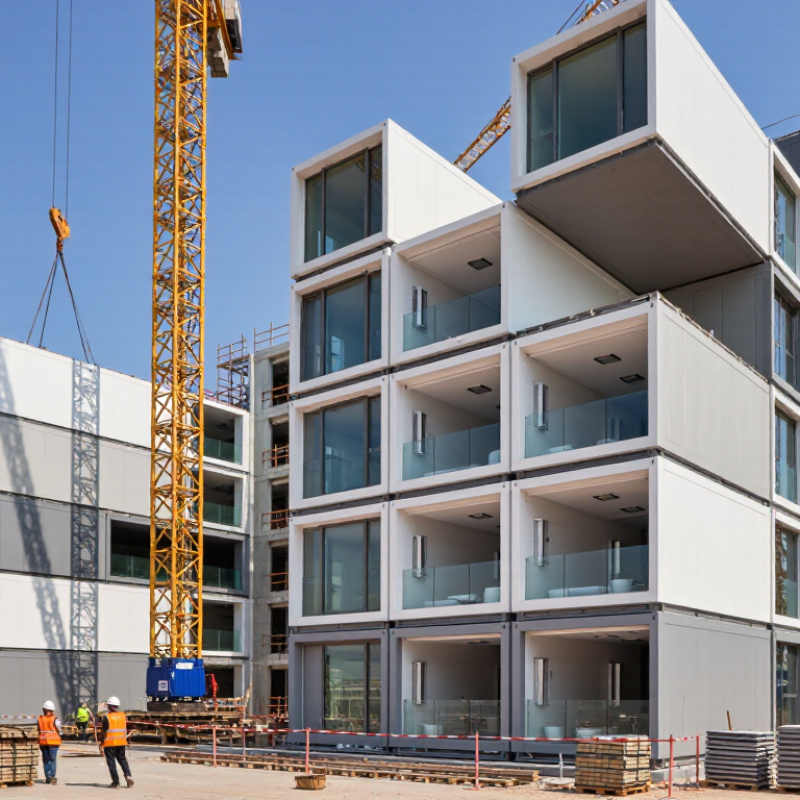
7 Best Reasons Modular Buildings Are Good for Hotels?

What Modular Hotel Construction Means and How It Works

What Modular Hotel Construction Means and How It Works

Modular hotel construction builds guest rooms inside a controlled factory, not entirely on site. Workers install floors, walls, plumbing, wiring, bathrooms, and finishes before transport. Cranes then place completed modules onto prepared foundations. Corridors, lobbies, elevators, and utilities usually require site construction.

The advantages are practical. Factory work reduces weather delays and improves repeatable quality. It also supports safer, cleaner production. McKinsey & Company reported that modular construction can shorten project schedules by 20% to 50%. Its 2019 analysis also found potential cost reductions of up to 20%, although results depend heavily on design and logistics. The Modular Building Institute’s 2024 industry report recorded more than 24,000 permanent modular units produced in the United States during 2023. Hotel rooms contributed to this growing demand.

Speed matters.

A factory team can install a bathroom beside a finished bedroom, while site crews prepare foundations nearby. This parallel process may help operators open rooms earlier and reduce financing pressure. Modular production also creates less material waste. Yet the method is not effortless. Oversized modules can face transport limits, crane access problems, or damaged finishes. Design changes made late can become expensive. Experience shows that early coordination between architects, engineers, manufacturers, and hotel operators is essential. Otherwise, a fast factory process may simply deliver mistakes faster.

Faster Project Delivery Through Off-Site Hotel Manufacturing

For hotel developers, off-site manufacturing can turn a slow construction schedule into a more predictable delivery plan. Guestroom modules are built indoors, while foundations and utilities progress on site. This parallel workflow reduces weather delays and keeps trades moving. It also improves factory quality checks, because walls, bathrooms, wiring, and finishes are inspected repeatedly. Fewer site deliveries mean less congestion around the property. That matters in busy urban districts. The process can also lower neighborhood noise and dust.

Speed is only one advantage. Controlled production helps maintain consistent room dimensions and finish quality across a large hotel. Workers use repeatable jigs, digital drawings, and documented inspections. These records support accountability and make defects easier to trace. Modular construction may reduce material waste through measured cutting and planned procurement. Earlier room completion can support faster commissioning, staff training, and opening revenue. It may also improve cost visibility, although transport, crane access, and design changes still require careful budgeting.

There are practical limits. A poorly coordinated design can move mistakes from the computer into hundreds of rooms. Tight road access can also disrupt delivery. Experienced teams review lifting plans, fire performance, moisture protection, and local building requirements before production starts. I have found that the fastest projects are not always the simplest; early decisions matter more than optimistic promises. A hotel still needs thoughtful architecture, durable materials, and comfortable acoustics. Off-site manufacturing works best when speed serves guest experience, not merely the schedule.

7 Best Reasons Modular Buildings Are Good for Hotels? – Faster Project Delivery Through Off-Site Hotel Manufacturing
No. Reason Typical Measurable Benchmark How It Helps Hotel Projects Operational Impact Evidence Basis
1 Shorter Overall Project Schedule Approximately 20–50% shorter construction time can be achievable when design, permitting, procurement, and manufacturing are well coordinated. Guestroom modules can be manufactured off-site while foundations, utilities, and other site works are completed at the hotel location. Earlier opening may allow the hotel to begin generating room revenue sooner and reduce the duration of construction financing. Construction-sector productivity research and modular construction case-study ranges.
2 Parallel Off-Site and On-Site Work Two major workstreams can run simultaneously: factory production and site preparation. Factory teams assemble rooms, bathrooms, and service components while civil contractors complete foundations, access roads, drainage, and utility connections. Critical-path activities are less dependent on completing every preceding site task in sequence. Standard project-planning principles for off-site manufacturing and concurrent construction.
3 Greater Schedule Predictability Most module production occurs in a controlled indoor environment, reducing exposure to rain, snow, wind, and temperature extremes. Factory production can follow repeatable work packages, inspection points, and delivery schedules instead of relying entirely on open-site conditions. More reliable handover planning supports recruitment, furnishing, marketing, and pre-opening activities. Controlled-environment manufacturing and construction quality-management practices.
4 Consistent Room Quality Repeated room layouts use standardized inspection and testing procedures for finishes, plumbing, electrical systems, and fixtures. Identical or similar guestroom modules can be checked at multiple production stages before they reach the hotel site. Standardization can reduce variation between rooms and make snagging, maintenance, and replacement planning more straightforward. Factory quality-control procedures and repeatable modular production methods.
5 Lower Material Waste Studies commonly report about 30–60% less construction waste for well-managed off-site production compared with conventional site-based work. Factory cutting plans, bulk purchasing, protected storage, and material segregation can improve the use of timber, drywall, packaging, and other materials. Lower waste volumes can reduce disposal costs, site congestion, and the environmental burden associated with hotel construction. Waste-reduction research covering off-site and prefabricated construction methods.
6 Reduced Site Disruption A larger share of labor and finishing work is moved away from the hotel site. Fewer on-site trades, shorter installation periods, and less wet work can reduce noise, dust, traffic, and disruption to nearby residents or operating businesses. This is particularly valuable for urban hotels, constrained sites, renovations, and projects close to airports, hospitals, or residential areas. Construction logistics, site-management, and prefabrication practices.
7 Scalable Hotel Expansion Repeatable modules can support phased additions when the site, planning approval, utilities, and structural design allow future expansion. Additional guestrooms or support spaces can be manufactured using established designs, specifications, and procurement processes. Owners may expand capacity in stages, matching capital investment more closely with demand and available operating cash flow. Modular design principles, repeatable manufacturing, and phased-development planning.
Note: The percentages shown are industry benchmark ranges rather than guarantees. Actual results depend on design standardization, site conditions, transportation distance, permitting, procurement strategy, factory capacity, and the level of coordination between the manufacturer and the project team.

Lower Construction Costs and More Predictable Hotel Budgets

7 Best Reasons Modular Buildings Are Good for Hotels?

Modular buildings can make hotel budgets easier to control. Factory production reduces weather delays, material waste, and repeated site labor. Rooms are built under consistent conditions, with measured assemblies and documented quality checks. This process can shorten the construction schedule and bring revenue earlier. Earlier opening matters when interest, staffing, and seasonal demand continue moving. It also supports clearer cash-flow planning for owners and project teams.

Cost savings are not limited to construction. Standardized room layouts simplify purchasing, maintenance planning, and future replacement work. Modules can arrive with walls, wiring, plumbing, and finishes already installed. That reduces the number of trades working in crowded corridors. Predictable quantities also make tender comparisons more useful. Still, modular construction is not flawless. Transport routes, crane access, local approvals, and foundation errors can create expensive changes. A cheaper factory plan can become costly if the site is poorly prepared. Careful coordination is essential.

Tips: Confirm transport dimensions before finalizing room designs. Keep a realistic contingency for foundations and utility connections. Ask contractors to explain quality records, delivery milestones, and weather protection plans. Compare total project cost, not only the factory price. A detailed schedule should include inspections, module installation, commissioning, and staff training. Small omissions can disturb a hotel opening.

Consistent Quality, Safety, and Sustainable Building Performance

7 Best Reasons Modular Buildings Are Good for Hotels?

Consistent Quality, Safety, and Sustainable Building Performance

Modular construction gives hotel projects a repeatable quality standard. Rooms are assembled in controlled factory conditions, away from rain, dust, and crowded sites. Teams can inspect wall joints, plumbing connections, insulation, and electrical systems before delivery. This process creates useful records for owners and facility managers. It also reduces inconsistent workmanship between floors.

Safety improves through organized workstations, stable lighting, and fewer hazards from busy construction sites. Workers use planned procedures and designated equipment areas. Hotel operators may also benefit from faster installation, since room modules arrive largely complete. Earlier enclosure can protect interiors from weather damage. Quiet site periods are valuable in urban locations.

Sustainability depends on real performance, not attractive claims. Factory production can measure materials more accurately and reduce offcuts. Well-fitted insulation, windows, and service connections may lower heating and cooling demand. Durable finishes can reduce replacement work during the hotel’s operating life. Better documentation also supports maintenance decisions.

Modular buildings are not perfect. Transport limits can affect room dimensions, and poor coordination may create expensive site adjustments. Seams and connections need careful inspection. An experienced project team should test airtightness, moisture control, fire protection, and acoustic performance. Small defects matter in hospitality. A cold draft beside a bed can damage guest trust faster than a delayed brochure.

Flexible Hotel Design, Expansion, and Improved Guest Experiences

Modular hotel buildings give owners flexible design without sacrificing a clear construction plan. Their factory-controlled production can improve consistency, reduce weather delays, and limit disruption near occupied areas. A room module may arrive with wiring, plumbing, flooring, and bathroom fixtures already installed. That predictability helps project teams coordinate budgets and schedules more accurately. Still, speed is not everything. Site conditions matter.

Flexible layouts also support better guest experiences. Hotels can create quiet rooms, larger family suites, accessible bathrooms, or compact business spaces as demand changes. Designers can adjust lighting, storage, acoustic insulation, and circulation before production begins. These details shape how guests sleep, move, and feel inside the property. A poorly planned module can still feel narrow or repetitive. Guest feedback should guide later design decisions.

Expansion becomes more practical when the original structure allows future connections. Owners may add guest rooms, meeting areas, or service spaces during a later development phase. Professional planning remains essential. Engineers must verify foundations, fire protection, ventilation, accessibility, utilities, and local approval requirements. Experienced teams also inspect transport routes and lifting zones before modules leave the factory. The honest challenge is coordination. A flexible building is not automatically a flexible hotel. If operators review real maintenance records and guest comments, later modules can correct weaknesses instead of repeating them.

7 Best Reasons Modular Buildings Are Good for Hotels

Flexible hotel design, faster expansion, and improved guest experiences

The chart presents representative midpoint estimates from commonly reported construction research ranges. Modular hotel projects can shorten delivery schedules, reduce on-site labor and waste, support phased expansion, and limit disruption around operating properties. Actual results vary by design, location, procurement method, and site conditions.

FAQS

How can off-site manufacturing speed up hotel construction?

Guestroom modules are built indoors while foundations and utilities progress on site. This parallel work reduces weather delays.

What parts of a hotel room can be completed in a factory?

Factory teams may install walls, bathrooms, wiring, plumbing, and finishes before delivery. Repeated inspections happen during production.

Can modular construction improve hotel quality?

Controlled factory conditions support consistent room sizes and finishes. Digital drawings, jigs, and inspection records help trace defects.

Does modular construction always reduce total project costs?

Not always. Factory savings can disappear through transport, crane access, design changes, or foundation problems.

How can developers make modular hotel budgets more predictable?

Compare the complete project cost, not only the factory price. Include transport, installation, inspections, commissioning, and staff training.

What site conditions can create problems?

Narrow roads may delay module deliveries. Poor foundations or incomplete utility connections can force expensive changes.

How can modular construction affect nearby neighborhoods?

Fewer site deliveries can reduce congestion. Indoor production may also lower outdoor noise and dust around busy districts.

What should teams check before factory production begins?

Review lifting plans, fire performance, moisture protection, transport dimensions, and local building requirements. Details matter.

Can faster delivery improve hotel opening plans?

Earlier room completion can support commissioning, employee training, and earlier revenue. The schedule still needs realistic contingencies.

Is speed the most important benefit?

No. Comfortable acoustics, durable materials, and thoughtful architecture still matter. A fast project can disappoint guests if quality is ignored.

Conclusion

Are modular buildings good for hotels? In many cases, they offer a practical and efficient alternative to traditional construction. Modular hotel construction involves producing rooms or complete building sections in a controlled off-site facility before transporting and assembling them at the hotel location. This process can shorten project schedules because manufacturing and site preparation happen at the same time, helping hotels open sooner and begin generating revenue faster.

Off-site production can also reduce labor waste, improve cost predictability, and support consistent quality and safety standards. Controlled manufacturing conditions make it easier to monitor materials, construction details, and energy performance, while efficient designs can contribute to more sustainable hotel operations. Modular buildings also provide flexibility: hotels can choose different layouts, add rooms in future phases, or adapt spaces to changing guest needs. With thoughtful planning, this approach can create comfortable, attractive, and reliable accommodations while improving the overall guest experience.

Ethan

Ethan

Ethan is a seasoned marketing professional with a deep expertise in our company's innovative product line. With a passion for sharing knowledge and insights, he takes the lead in regularly updating our corporate blog, where he explores industry trends, product features, and effective marketing......