In today's competitive business landscape, organizations are constantly seeking ways to cut costs without sacrificing quality. One innovative solution gaining popularity is modular buildings. These prefabricated structures offer a flexible, efficient approach to creating office spaces while significantly lowering expenses. Understanding how to reduce office setup costs using modular buildings can make a substantial difference for many businesses.
Modular buildings are designed for quick assembly and disassembly. This feature allows companies to adapt their workspace as needed, reducing the long-term costs typically associated with traditional construction. The savings extend beyond initial setup costs; energy efficiency and reduced maintenance make modular buildings an attractive option. However, companies must evaluate their specific needs and plan accordingly. Not every modular design will suit every business.
Investing in modular buildings requires careful consideration. While initial costs may be lower, future expansions or relocations could present challenges. Thus, it’s crucial to weigh the benefits against potential drawbacks. By thoughtfully exploring modular options, businesses can better align their office setups with financial goals. Ultimately, the approach to office design can directly influence a company's bottom line.
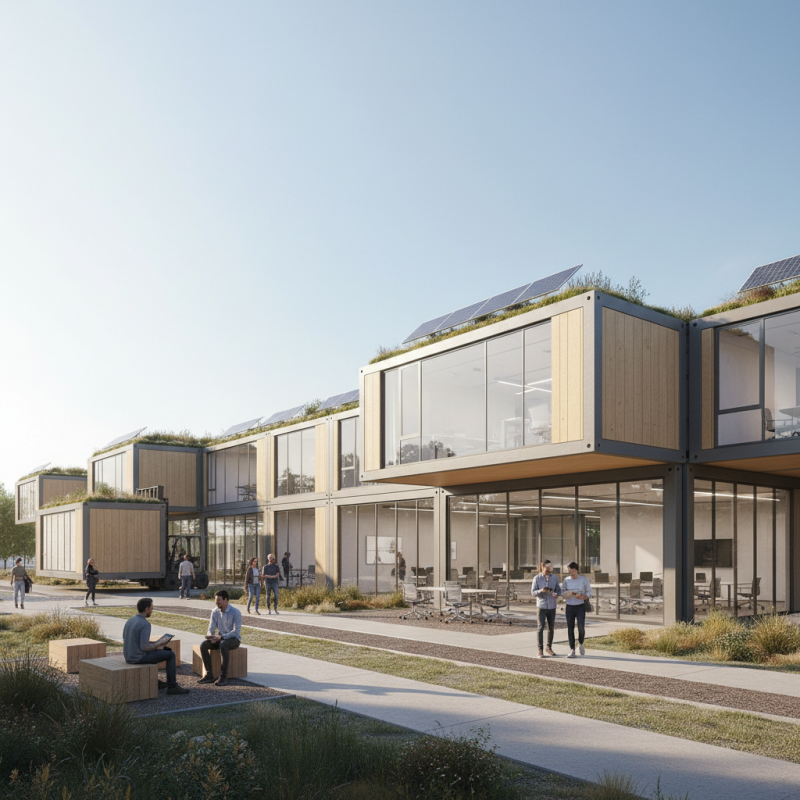
Modular buildings are gaining traction in office setups. These structures are prefabricated off-site and delivered ready for use. This approach can cut construction costs by 20% to 50% compared to traditional building methods. A recent industry report noted that modular construction often leads to faster project completion, reducing overall expenses.
The flexibility of modular designs is another key benefit. Businesses can easily adapt spaces as needs change. This adaptability is crucial in today's fast-paced work environment. Research shows that companies can save up to 30% on long-term operational costs by utilizing modular spaces. However, challenges remain. For instance, integrating these buildings into existing urban infrastructures can be complex. Regulatory hurdles often hinder quick deployment.
Investing in modular setups signifies a shift towards sustainable practices. These structures typically use fewer materials and energy compared to conventional buildings. However, further scrutiny on material sourcing and lifecycle impacts is necessary. Modular buildings present an opportunity to create efficient office spaces, but ongoing evaluation is essential to maximize their potential.
Modular buildings provide a flexible solution for reducing office setup costs. One key area for cost reduction is the choice of materials. Using sustainable, cost-effective materials not only saves money but also benefits the environment. Explore materials that are readily available and require less energy to produce.
Tips: Look for suppliers close to your location. This not only cuts transportation costs but also supports local businesses.
Another area to focus on is the layout of the office space. Modular buildings allow for custom designs that maximize efficiency. A well-thought-out layout reduces the need for excessive furnishings and equipment. Open spaces can foster collaboration while minimizing unnecessary partitions.
Tips: Design your office for multifunctional use. Furniture that serves multiple purposes can cut costs significantly.
Engaging skilled professionals early in the project can also prevent costly mistakes later on. Their expertise can help in optimizing the building's design and functionality. This initial investment can lead to substantial savings down the road.
Tips: Consult with experts for a strategic plan to avoid common pitfalls. Seek feedback to refine your approach continuously.
Modular buildings offer incredible design flexibility for office setups. They can be tailored to meet specific needs, allowing businesses to create custom spaces quickly. This adaptability is ideal for companies looking to reduce overhead costs while maximizing functionality. Open layouts, private offices, and collaborative zones can all be integrated within a modular design.
One key advantage of modular buildings is their ability to grow with your business. If you need additional space, you can easily expand by adding more modules. This scaling option is not just about space—it’s about future-proofing your operations. Space planning becomes simpler, ensuring that the work environment can evolve as technology and team dynamics change.
**Tip:** Evaluate your current and future needs before designing. This step is essential to avoid costly mistakes later. Focus on layouts that promote productivity.
**Tip:** Consider eco-friendly materials to enhance sustainability. This not only benefits the environment but also appeals to modern clients.
Working with modular buildings does come with challenges. Some designs may not suit everyone's preference. It's crucial to engage with experienced professionals who understand your vision. Balancing aesthetics with functionality can require multiple revisions. Reflecting on user feedback is vital for refining your setup.
When comparing traditional office spaces to modular alternatives, several factors come into play. Traditional offices often come with high rent costs and long-term leases. They require substantial maintenance and renovation, which can further escalate expenses. In contrast, modular buildings are designed for flexibility and cost-efficiency. They can be constructed quickly, minimizing downtime and helping businesses save money. Many modular options offer customizable layouts to suit various needs without excessive upfront costs.
Modular offices provide an innovative solution for growing companies. They enable businesses to scale operations rapidly as needs change. However, some may image that modular designs lack the aesthetic appeal of traditional spaces. This perception isn’t entirely true; modern modular buildings boast impressive designs. Yet, potential buyers should evaluate the reputation of modular building manufacturers. Some companies offer superior quality and after-sale support, while others may fall short.
Investing in modular buildings can result in lower overhead costs and more efficient use of space. However, it's essential to conduct thorough research. Each business has unique needs that must be addressed. Balancing aesthetics with functionality is critical. This careful consideration ensures a space that supports productivity and aligns with company values.
Implementing modular buildings in your office strategy can significantly reduce costs while promoting flexibility. These structures are quick to assemble and can adapt to your evolving needs. For example, if your workforce expands, you can easily add more modules. This scalability is a major advantage that traditional buildings lack.
Thoughtful planning is essential when integrating modular buildings. Start by assessing your space requirements. This assessment will guide your designs and optimize functionality. Remember to consider utilities and how they impact your layout. Sometimes, a modular space may not accommodate all your needs, requiring creative solutions.
Employee feedback is crucial in this process. Engaging staff can reveal insights about workflow and space usage. Their input will help you design a functional environment. However, responses may vary. Not everyone will embrace the new setup. Balancing these perspectives during implementation will enhance acceptance and productivity.
: Modular buildings allow customization and efficient layouts, reducing the need for excessive furnishings.
Use sustainable and readily available materials that require less energy to produce.
Suppliers close to your location cut transportation costs and can support local businesses.
A thoughtful layout maximizes efficiency and can enhance collaboration by minimizing unnecessary partitions.
Multifunctional furniture reduces costs significantly by serving multiple purposes in the space.
Engaging skilled professionals early prevents costly mistakes and optimizes design and functionality.
Assess space requirements thoroughly before designing, while also considering utility placements.
Employee insights aid in designing a functional environment, though acceptance may vary among staff.
Sometimes, modular spaces may not meet all needs, requiring creative solutions for efficiency.
Balance varying perspectives from staff to enhance acceptance and boost overall productivity.
In the current economic climate, businesses are continually seeking ways to optimize expenses, particularly in their office setups. This article explores how to reduce office setup costs using modular buildings. Modular buildings offer significant cost benefits, allowing companies to understand the financial advantages of a flexible and efficient setup. This approach not only identifies key areas for cost reduction but also highlights the design flexibility that modular structures provide compared to traditional office spaces.
By comparing the two types of setups, businesses can appreciate the long-term savings and operational efficiencies that modular buildings offer. Furthermore, the article emphasizes practical tips for integrating modular solutions into office strategies, ensuring that organizations can seamlessly transition to more cost-effective and adaptable workspace environments. Adopting modular buildings is a strategic move that can lead to substantial financial savings and improved functionality in office design.

CasaDe Home