Why Efficiently Design Your Small Living Space for Maximum Utility?

Time:2026-04-29 Author:Charlotte
0%

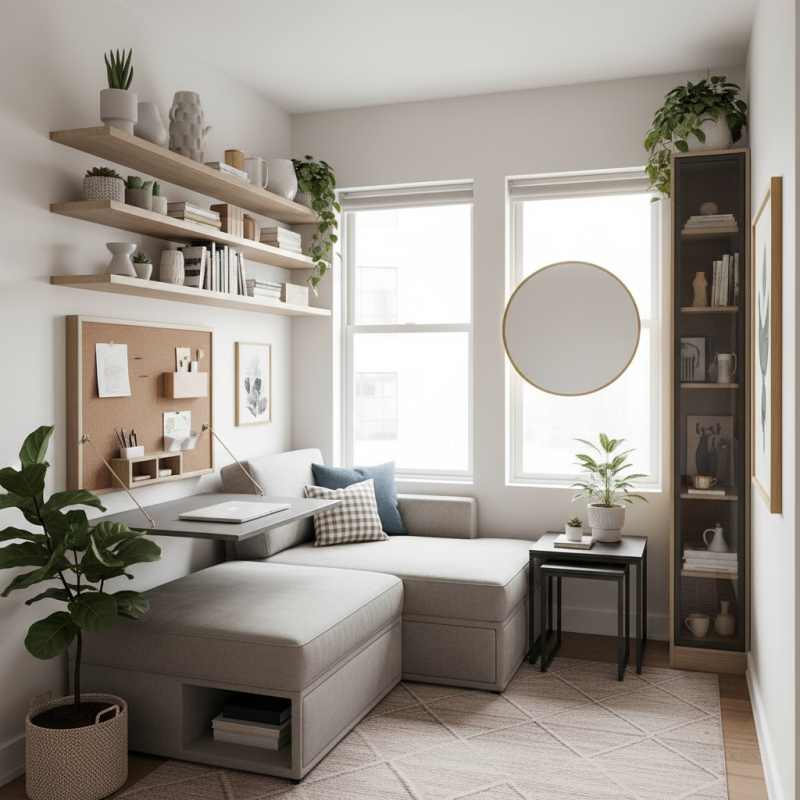
Designing a small living space efficiently can transform your home into a functional haven. The challenge lies in maximizing utility without sacrificing style. Many struggle to balance aesthetics with practicality in limited areas. This article offers insights on how to design a small living space efficiently, focusing on creative solutions and expert advice.

Every corner should serve a purpose, but it requires thoughtful planning. Small living spaces often feel cluttered and cramped. To combat this, utilize multifunctional furniture and smart storage options. However, it is critical to reflect on personal needs versus trends. What works for others may not suit your lifestyle.

Embrace the unique constraints of your space. Consider utilizing vertical space and natural light to enhance the atmosphere. Each element should be intentional and meaningful. Redesigning small areas can unveil unexpected beauty and efficiency, making your home a true reflection of who you are.
Why Efficiently Design Your Small Living Space for Maximum Utility?

Understanding the Importance of Space Efficiency in Small Living Areas

Maximizing space efficiency in small living areas is crucial for creating a functional home. Limited square footage often leads to a cluttered environment. Understanding how to utilize every inch can transform your space. Careful planning allows for comfort and aesthetics to coexist.

One effective tip is to use multifunctional furniture. For instance, a sofa bed offers seating during the day and a sleeping area at night. This not only saves space but also enhances usability. Consider a coffee table with storage underneath. This way, you can keep items hidden and maintain a tidy appearance.

Vertical storage is another pivotal aspect. Shelving units that reach upward can make a room feel larger. Wall-mounted hooks serve both decorative and practical purposes. However, it’s essential to reflect on your belongings. Maybe you have items that you rarely use? Purging can free up significant space and promote a minimalist feel. Recognizing what you truly need can lead to a more organized living area.

Why Efficiently Design Your Small Living Space for Maximum Utility?

Dimension Description Benefits
Multi-functional Furniture Furniture that serves more than one purpose. Saves space and reduces clutter.
Vertical Storage Utilizing wall space for shelves and cabinets. Maximizes available floor area.
Open Floor Plan Creating a seamless living space without partitions. Increases the perception of space.
Decluttering Removing unnecessary items and keeping essentials only. Enhances functionality and comfort.
Smart Lighting Using light fixtures to create spaciousness. Improves ambiance and makes areas feel larger.

Key Principles of Maximizing Utility in Small Spaces

Maximizing utility in small living spaces requires thoughtful planning. Start by assessing your needs. Make a list of must-have items and prioritize their placement. This approach helps in reducing clutter while ensuring functionality. For example, a multipurpose coffee table can serve as storage and a dining surface. Choosing furniture with hidden compartments can make a noticeable difference.

Consider vertical storage options. Utilizing wall space frees up valuable floor area. Shelves, hooks, and pegboards add organization without sacrificing style. Transforming walls into storage solutions can be both practical and visually appealing. However, avoid overcrowding your walls. Balance is crucial for maintaining an inviting atmosphere.

Don’t shy away from experimenting. Each space has its unique charm and challenges. You might discover that a particular arrangement works better than others. Embrace the process of trial and error. Ultimately, the goal is to create a space that reflects your personality while maximizing its potential. Make small adjustments along the way and reflect on what truly enhances your living experience.

Creative Storage Solutions for Compact Living Environments

Compact living spaces can be a challenge, often leading to clutter and a sense of confinement. According to a recent survey by the American Institute of Architects, nearly 47% of homeowners express a desire for more storage solutions. This trend emphasizes the need for innovative design strategies that maximize utility without sacrificing aesthetics.

Creative storage solutions play a pivotal role in achieving this balance. Multi-functional furniture, such as ottomans that double as storage bins, can enhance both style and function. Wall-mounted shelves can utilize vertical space effectively. However, it's crucial to avoid overcrowding. Balancing open space with storage is key. Data indicates that rooms with 30% open space feel less cramped, improving overall satisfaction.

Reflection is necessary when designing small spaces. What works for one person may not work for another. The challenge lies in personalizing these solutions. The right choice transforms a tiny area into a harmonious living environment. Understanding one's needs is essential for effective utility.

Multifunctional Furniture: A Game Changer for Small Spaces

In urban environments, small living spaces are increasingly common. Designing these spaces for maximum utility is essential. Multifunctional furniture plays a critical role in this process. Research indicates that 60% of city dwellers prioritize space efficiency. This prioritization often drives the need for pieces that serve multiple purposes.

Consider a sofa that converts to a bed. This type of furniture meets the dual needs of comfort and functionality. According to industry experts, such pieces can increase usable space by up to 30%. Think about a foldable dining table. When not in use, it can be compactly stored, freeing up room for other activities.

There are some considerations to keep in mind. It’s easy to overdo multifunctionality, leading to clutter. Select items that genuinely serve more than one purpose without compromising style.

**Tip:** Focus on quality over quantity. A few well-chosen pieces will enhance the space better than a multitude of lesser items.

**Tip:** Always measure your space before purchasing. Furniture that appears perfect online might not fit as imagined.

Incorporating multifunctional furniture changes how we live in small spaces. It encourages innovative designs that improve daily routines. Reflect on what you truly need to make the most of your living area.

Space Optimization in Small Living Areas

This chart illustrates the utility scores of various multifunctional furniture options suitable for small living spaces. The options include sofa beds, foldable tables, storage ottomans, wall-mounted desks, and convertible dining sets, each rated on a scale from 1 to 10 based on their efficiency in maximizing space utility.

Design Techniques to Enhance the Perceived Size of Small Areas

When working with a small living space, it’s essential to maximize utility without sacrificing style. One effective design technique is the use of mirrors. Placing a large mirror on one wall can create an illusion of depth, making the area feel more expansive. Natural light bouncing off the reflective surface enhances brightness, which can also make the room appear larger.

Another method to enhance the perceived size is through color choice. Lighter colors, such as soft whites or light pastels, can open up a small area. Dark colors, while rich and cozy, can visually shrink the space. Using a monochromatic color scheme helps maintain a cohesive look. This simplicity gives the eyes a place to rest, contributing to an illusion of spaciousness.

Furniture selection plays a significant role as well. Choose multifunctional pieces, like an ottoman that doubles as storage. This can eliminate clutter, which can make a space feel cramped. Light and airy furniture create a sense of openness. However, avoid overcrowding with too many items. It’s easy to fill a space with decor, but this can lead to a chaotic atmosphere that clashes with the goal of achieving a spacious feel. Reflecting on these choices can guide better design decisions.

FAQS

: Why is space efficiency important in small living areas?

: Space efficiency maximizes functionality and reduces clutter, making a home feel organized and comfortable.

What are some examples of multifunctional furniture?

A sofa bed provides seating and a sleeping area. A coffee table with storage keeps items hidden and tidy.

How can vertical storage help in small spaces?

Shelving units that reach upward create a sense of openness. Wall-mounted hooks add style and utility.

What should I consider when purging belongings?

Reflect on what items you rarely use. Discarding unnecessary things promotes a more organized and minimalistic space.

How do mirrors enhance small areas?

Large mirrors create depth and reflect natural light, making the space feel larger and brighter.

What color choices can make a small room appear bigger?

Lighter colors like soft whites and pastels help open up the area. Dark colors can visually shrink it.

Why is furniture selection important for small spaces?

Choose light, multifunctional pieces to avoid clutter. Overcrowding with decor can create a chaotic atmosphere.

How can a monochromatic color scheme benefit a small room?

It maintains a cohesive look and gives the eyes a place to rest, enhancing the illusion of spaciousness.

What’s a common mistake in small space design?

Filling the space with too many items can lead to a cramped feel. Reflecting on design choices improves outcomes.

How can natural light impact small living areas?

Natural light enhances brightness and perception of space. It’s vital to maximize light for a more open atmosphere.

Conclusion

Efficiently designing a small living space is crucial for maximizing utility and comfort. Understanding the importance of space efficiency leads to employing key principles aimed at turning compact areas into functional havens. Implementing creative storage solutions allows for better organization and utilization of limited space, while multifunctional furniture acts as a game changer, providing flexibility and reducing clutter. Additionally, design techniques that enhance the perceived size of small areas can significantly improve the overall ambiance, making the space feel larger and more inviting. By mastering how to design a small living space efficiently, one can transform any modest area into a highly functional and aesthetically pleasing environment.

Charlotte

Charlotte

Charlotte is a seasoned marketing professional with a deep understanding of the company's portfolio and a passion for elevating its presence in the market. With a keen eye for detail and a commitment to excellence, she ensures that our professional blog is regularly updated with insightful articles......