Starting a pop-up shop does not require a permanent storefront or a large investment. It requires a focused offer, careful planning, and a realistic budget. This guide explains how to start a pop up retail business with low cost while protecting customer trust and brand quality.
Melissa Gonzalez, founder of The Lion’esque Group and a recognized pop-up retail strategist, describes the format clearly: “A pop-up is a physical manifestation of your brand.” Her insight matters because customers judge more than products. They notice the lighting, payment process, staff attitude, and empty corners. A simple twelve-square-meter space can still feel memorable when every detail has purpose.
Begin with one strong product category and a short operating period. A weekend test may reveal more than an expensive six-month lease. Consider shared retail spaces, local markets, community events, or unused areas inside established shops. Negotiate clearly, and confirm permits, insurance, payment requirements, accessibility, and safety rules before opening. Never assume a verbal agreement is enough.
Use borrowed tables, reusable signage, and digital receipts to reduce waste. Photograph the setup before customers arrive. Track daily sales, foot traffic, product questions, and unsold stock. These details expose weaknesses quickly. Perhaps the display looks attractive but hides the best-selling item. That happens.
A low-cost launch can still feel professional. Clean shelves, visible prices, secure payment tools, and honest product information build confidence. The goal is not to appear bigger than the business. It is to learn what customers actually value, then improve the next version.
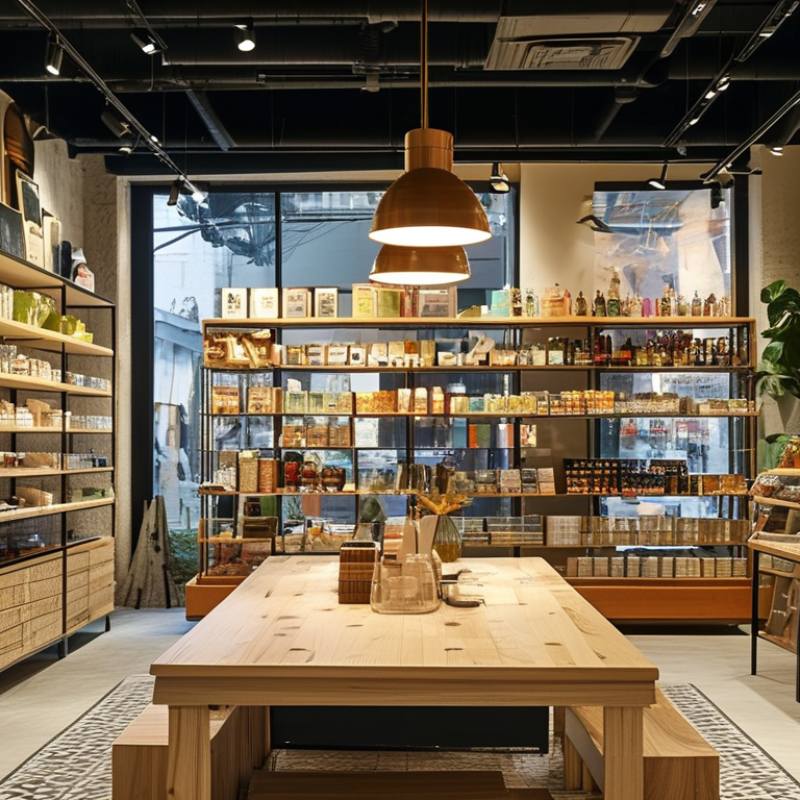
Before renting a space, define what your pop-up retail business should achieve. A clear concept guides every low-budget decision. Decide whether you will sell handmade accessories, seasonal goods, or practical household items. Choose one primary customer group. For example, busy commuters may prefer compact products and quick payment. Your space should tell the same story through colors, product placement, and simple signage.
Set measurable goals before spending money. You might aim to sell 30 items, collect 80 customer contacts, or test three price points. Calculate your break-even point using rent, permits, transport, packaging, and inventory costs. A ten-square-meter space may need only one table, a display rack, and a small payment area. Keep a cash reserve for unexpected fees. My first estimates would probably be too optimistic. Review them honestly after each trading day.
Tips: Start with a short rental period. Borrow or reuse display equipment when possible. Limit your opening inventory to proven products. Track every expense in a simple spreadsheet. Ask customers why they stopped, even when they did not buy. Their answers may challenge your original concept. Avoid expensive decoration until sales data supports it. A modest setup can still feel professional when products are organized, prices are visible, and service is reliable.
A low-budget pop-up begins with a customer, not a table. Visit nearby shops, transit stops, community events, and online groups where likely buyers spend time. Record ages, shopping times, price expectations, and the questions people ask. Short conversations are more useful than guesses. Ask what they would buy, what feels expensive, and why they leave without purchasing. Do not rely only on friends; they may be unusually supportive. An anonymous survey can reveal less flattering answers.
Match the location to observed behavior, not attractive rent alone. A busy street may contain the wrong audience. A quieter community market might produce stronger sales. Count pedestrians for fifteen-minute periods at different hours. Note weather, parking, public transport, nearby businesses, and how long people remain in the area. Check whether the property owner permits temporary selling, displays, and electrical equipment. Confirm local registration, safety, insurance, and payment requirements before paying a deposit.
Test the location cheaply before committing. Set up a small information table, attend a local event, or distribute a limited number of discount cards. Track visits, questions, conversions, and average spending. My first estimate of weekend traffic would probably be too optimistic. That is normal. Leave room for mistakes. A simple spreadsheet can compare rent, transport, staffing, permits, and expected sales. If customers hesitate at the location, changing the site may matter more than adding inventory. Test again.
A practical $2,000 starter budget focused on researching target customers and selecting the right location.
Customer research and location costs receive the largest share because they reduce the risk of renting a space that does not match the intended audience. The figures represent a realistic planning model for a small test event, not fixed vendor prices.
A low-budget pop-up starts with a strict buying limit, not a beautiful booth. Set a cash ceiling before ordering anything. Separate essential costs from tempting upgrades. Essentials include a short-term space, payment tools, lighting, display fixtures, packaging, and local transport. Use modular shelves, folding tables, and neutral fabric backdrops. They can serve future events. Avoid custom-built furniture for a first test.
The U.S. Census Bureau’s 2024 Quarterly Retail E-Commerce Sales report placed online sales at roughly 16% of total U.S. retail sales. A pop-up should therefore support digital selling, not compete with it. Add a simple QR code for later orders. Buy supplies in small batches, even when larger quantities offer lower unit prices. Cash trapped in unused stock is not savings. Ask suppliers about recycled cartons, sample packs, and rental fixtures. Compare total cost, including delivery and storage. The cheapest invoice can become expensive.
Tips: Build a one-day supply checklist. Borrow lighting when safe and permitted. Measure every fixture before transport. Keep a 10% contingency reserve. Test your payment process with a small purchase. A weak signal can ruin a busy afternoon. Review what visitors touched, ignored, and requested. My first budget might still be too optimistic. That is useful feedback, not failure. Adjust the next order from observed demand, not personal taste.
A low-budget pop-up starts with a narrow product plan, not a crowded table.
Choose three to five related items with clear customer use. Test small quantities before paying for deep inventory.
The 2024 Voice of the Consumer Survey found that 46% of consumers purchase directly through social media.
Your products should therefore be easy to photograph, explain, and reorder online. Track unit cost, packaging, transport, payment fees, and unsold stock.
I once underestimated packaging costs. That mistake reduced my real margin by nearly 10%.
Pricing needs evidence, not guesswork.
Calculate your break-even point, then compare similar local offers without copying them. A simple price ladder can include one entry item, one core item, and one higher-value bundle.
Keep the signs readable from several steps away.
The 2023 Global Consumer Insights Pulse Survey reported that price remains a major purchase concern for consumers.
Explain what the customer receives, rather than apologizing for your price. Leave a small test budget for discounts.
Branding can be inexpensive but consistent.
Use one color, one type style, and a short product promise across signs, receipts, and social posts. Customer experience matters after the sale.
Offer clear care instructions, a quick payment process, and a visible return policy that follows local requirements.
Deloitte’s 2024 retail research highlights convenience and trust as important influences on shopping behavior.
Invite feedback with one precise question.
Some visitors will still leave without buying. Record why, instead of assuming the display failed.
A low-budget pop-up starts with a focused offer, not a large inventory. Choose one clear customer need and test it in a small space. A weekend location near offices, markets, or community events can reduce rental risk. Before signing, check foot traffic at several times. Count people manually for fifteen minutes. It is simple, but useful.
Launch with essential fixtures, readable pricing, and a reliable payment process. Borrow tables where possible, but inspect them carefully before opening day. Create a basic floor plan that keeps products visible and walkways clear. Train anyone helping you to answer three questions: What is this? Why does it matter? How much does it cost? Keep a written opening checklist. Small omissions can damage trust. My instinct would be to display everything, yet crowded shelves often make buying harder.
Manage the shop with daily routines. Record sales, stock movement, refunds, and customer comments in one spreadsheet. Review cash totals before closing, not several days later. Track conversion rate, average transaction value, and the best-selling items. Ask visitors how they discovered the pop-up. A QR survey can collect quick responses, but face-to-face comments usually reveal more. Compare results by day and time, then adjust staffing and stock. Do not judge success by revenue alone. Rent, transport, packaging, payment fees, and unsold goods can change the real result. A weak first weekend is not failure, but ignoring its lessons is.
| Budget Category | Planning Basis | Estimated Cost (USD) | Cost Type | Low-Budget Control |
|---|---|---|---|---|
| Short-term retail space | 7-day booking at $100 per day | $700 | Fixed | Choose an existing retail, market, or community venue with basic utilities included. |
| Permits and local registration | Estimated administrative allowance | $150 | Fixed | Confirm local requirements before signing a venue agreement. |
| Short-term liability insurance | One-event planning allowance | $180 | Fixed | Compare coverage limits and event duration rather than choosing only by price. |
| Fixtures and display equipment | Used shelving, folding tables, racks, and portable lighting | $320 | Mostly reusable | Rent, borrow, or buy used equipment that can be reused at future events. |
| Payment equipment and transaction setup | Basic card reader, cash box, receipt supplies, and setup materials | $60 | Fixed | Use a simple mobile checkout process and record every sale. |
| Opening inventory | Planned stock purchased at an average cost of $14 per unit | $1,400 | Working capital | Start with a narrow assortment and reorder only proven sellers. |
| Signage and printed materials | Exterior sign, price cards, product labels, and information sheets | $110 | Fixed | Use one modular sign system instead of printing many temporary pieces. |
| Local marketing | Flyers, local listings, event promotion, and small paid placements | $180 | Variable | Prioritize free local listings, partner promotion, and customer referrals. |
| Contingency reserve | Approximately 10% of planned launch spending before contingency | $310 | Reserve | Keep this amount separate for repairs, replacement stock, or unexpected fees. |
| Estimated launch cash requirement | $3,410 | Includes opening inventory and contingency reserve. | ||
| Metric | Value | Calculation | Interpretation |
|---|---|---|---|
| Trading period | 7 days | One short pop-up operating cycle | Use daily results to decide whether to extend or repeat the format. |
| Expected transactions | 90 | Approximately 13 transactions per day | A measurable target for staffing, promotion, and daily sales review. |
| Average order value | $38.00 | Total sales divided by number of transactions | Can be increased through product bundles and complementary items. |
| Projected sales revenue | $3,420 | 90 transactions × $38.00 | Revenue before payment fees, taxes, refunds, and operating expenses. |
| Estimated cost of goods sold | $1,539 | 45% of projected sales revenue | Represents the estimated product cost consumed by sales. |
| Projected gross profit | $1,881 | $3,420 − $1,539 | Amount available to cover fixed costs and operating profit. |
| Contribution margin | 55% | 1 − 45% product-cost ratio | Used to calculate the revenue required to cover fixed costs. |
| Core fixed operating costs | $1,700 | Space, permits, insurance, fixtures, payment setup, signage, and marketing | Excludes inventory purchases and contingency reserve. |
| Break-even revenue | $3,091 | $1,700 ÷ 55% | Minimum sales target before the pop-up begins generating an operating surplus. |
| Break-even transactions | 82 | $3,091 ÷ $38.00, rounded up | At least 82 transactions are needed under these assumptions. |
| Projected operating surplus | $181 | $1,881 − $1,700 | Before taxes, payment-processing fees, owner compensation, and contingency use. |
| Management Area | Target or Action | Measurement Method | Review Frequency | Decision Trigger |
|---|---|---|---|---|
| Inventory breadth | Begin with a focused assortment rather than many product categories. | Count active products and sales by product category. | Before launch and daily | Reduce low-selling categories and restock products with consistent demand. |
| Stock sell-through | Track the percentage of opening units sold during the event. | Units sold ÷ opening units × 100 | Daily and after closing | Use discounts or bundles for slow-moving stock while protecting margin. |
| Foot traffic | Record the number of visitors entering the selling area. | Manual tally or digital counter | Hourly and daily | Adjust signage, window displays, or promotional timing when traffic is weak. |
| Conversion rate | Convert at least 15% of visitors into buyers. | Transactions ÷ visitors × 100 | Daily | Improve product presentation, pricing clarity, and staff engagement if below target. |
| Average order value | Maintain an average order of $38 or more. | Total revenue ÷ transactions | Daily | Test bundles, add-on recommendations, and threshold-based offers. |
| Gross margin | Maintain an estimated gross margin of at least 55%. | (Revenue − product cost) ÷ revenue × 100 | Daily and after the event | Review prices or discontinue products that dilute margin. |
| Daily cash reconciliation | Ensure recorded sales match payment and cash records. | Expected cash and digital receipts compared with actual funds | At closing every day | Investigate discrepancies before the next trading day. |
| Customer acquisition cost | Keep paid promotion cost below $6 per first-time customer. | Marketing spend ÷ first-time customers attributed to promotion | After each campaign | Stop or revise campaigns that exceed the target without improving sales. |
| Customer feedback | Collect at least 20 short responses during the event. | QR survey, receipt prompt, or manual feedback log | Daily | Prioritize repeated feedback about price, product selection, or checkout speed. |
| Day | Primary Objective | Key Actions | Data to Capture |
|---|---|---|---|
| Day 1 | Validate the setup | Check signage, pricing, payment process, stock display, and customer flow. | Visitors, transactions, revenue, checkout issues, and customer questions. |
| Day 2 | Improve conversion | Move best-selling products to high-visibility positions and clarify prices. | Traffic-to-transaction conversion rate. |
| Day 3 | Test merchandising | Introduce one bundle or complementary-product display. | Average order value and bundle sales. |
| Day 4 | Control inventory | Review stock levels and reorder only products with proven demand. | Units sold, sell-through rate, and remaining stock value. |
| Day 5 | Strengthen promotion | Use customer referrals, local listings, and time-specific announcements. | Promotion source, visitors, transactions, and acquisition cost. |
| Day 6 | Maximize peak demand | Schedule adequate coverage and keep best sellers replenished. | Hourly revenue, transactions, queue time, and stockouts. |
| Day 7 | Measure and decide | Complete final sales review, feedback collection, stock count, and financial reconciliation. | Revenue, gross margin, surplus, sell-through, repeat interest, and lessons learned. |
: Visit nearby shops, transit stops, community events, and relevant online groups. Record ages, shopping times, price expectations, and repeated questions. Ask what feels expensive and why people leave without buying. Friends may give unusually positive answers.
Match the site to observed customer behavior, not attractive rent alone. Count pedestrians during fifteen-minute periods at different hours. Check weather, parking, public transport, nearby businesses, and visitor dwell time. A busy street may attract the wrong audience.
Use a small information table or attend a local event. You could also distribute limited discount cards. Track visits, questions, purchases, and average spending. Test again. My traffic estimate may still be too optimistic.
Include space, payment tools, lighting, displays, packaging, transport, permits, and staffing. Set a firm cash ceiling before ordering supplies. Keep a ten-percent reserve for surprises. Small details matter.
Choose folding tables, modular shelves, and neutral fabric backdrops. These items can support future events. Borrow lighting only when it is safe and permitted. Measure every fixture before transport. Custom furniture is probably unnecessary for a first test.
Start with small quantities and three to five related products. Compare delivery, storage, and unit costs before ordering more. Unused stock traps cash. I might still overbuy. That is useful feedback.
Calculate product costs, packaging, transport, payment fees, and unsold inventory. Then estimate your break-even point. Offer an entry item, a core item, and a higher-value bundle. Keep price signs readable from several steps away. Do not guess blindly.
Add a simple QR code for later orders. Make products easy to photograph, explain, and reorder. Test the payment process with a small purchase before opening. A weak signal can ruin a busy afternoon.
Use one color, one type style, and one short product promise. Provide care instructions and a visible return policy. Keep payment quick and explanations simple. Ask one precise feedback question. Some visitors will still leave. Record why.
Starting a pop-up retail business on a low budget begins with a clear concept, realistic goals, and a focused product selection. Define what makes your pop-up valuable, identify your ideal customers, and research locations where they already shop or gather. Instead of choosing the most expensive space, consider short-term rentals, shared venues, community events, or other flexible options that match your audience and budget.
To understand how to start a pop up retail business with low cost, create a lean budget covering space, permits, inventory, displays, packaging, marketing, and payment tools. Source affordable supplies, limit initial stock, and set prices that protect your profit while attracting customers. Build a consistent visual identity and design a simple, welcoming shopping experience. Before opening, plan staffing, inventory tracking, setup, and customer service. After launch, measure sales, expenses, customer feedback, popular products, and visitor traffic so you can improve future pop-ups and invest only in strategies that produce meaningful results.

CasaDe Home