10 Tips for Integrating Energy Systems into Modular Buildings?

Time:2026-06-13 Author:Oliver
0%

Integrating energy systems into modular buildings is essential for enhancing sustainability and efficiency. As the demand for eco-friendly construction rises, understanding how to integrate energy systems into modular buildings becomes crucial. Modular construction allows for innovative solutions, but it also presents challenges.

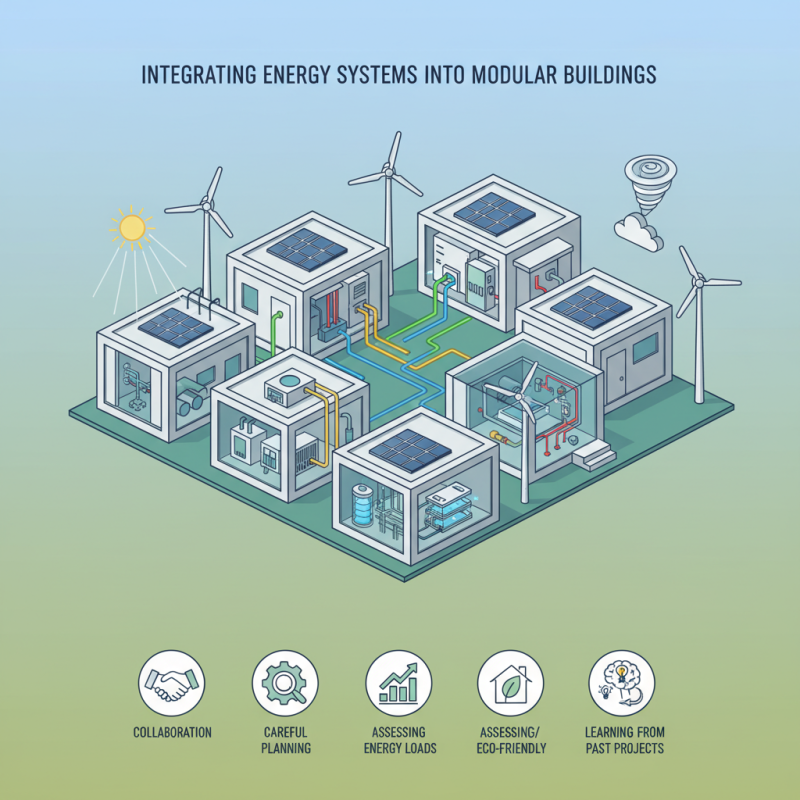
One key aspect is collaboration among stakeholders. Involving architects, engineers, and energy specialists from the beginning can lead to better outcomes. Additionally, careful planning is vital to ensure energy systems function effectively within the modular framework. This involves assessing energy loads accurately. Using technologies like solar panels or energy-efficient HVAC systems can significantly reduce a building's carbon footprint.

However, integrating these systems is not always straightforward. Each modular unit must accommodate energy systems without compromising space or functionality. There may be instances where energy needs are underestimated, leading to system inefficiencies. Reflecting on past projects can reveal common pitfalls and best practices. Implementing these tips can help create a seamless integration process, ultimately benefiting both builders and occupants.
10 Tips for Integrating Energy Systems into Modular Buildings?

Understanding Modular Buildings and Energy Systems Integration

Modular buildings have gained popularity due to their efficiency and flexibility. They can be built off-site, allowing for quicker construction. However, integrating energy systems into these structures presents unique challenges. The International Energy Agency (IEA) highlighted that buildings account for nearly 40% of global energy consumption. Therefore, addressing energy efficiency in modular designs is crucial.

One critical aspect is selecting appropriate energy systems. Renewable energy sources, such as solar panels, are becoming common in modular construction. The U.S. Department of Energy reported that solar installations grew 167% between 2015 and 2020. However, not all modular buildings are designed to maximize their potential. Poor orientation and limited space can hinder performance. It is essential to assess site conditions and energy needs comprehensively.

Moreover, energy storage solutions, like batteries, can enhance energy resilience. Yet, deciding on the right size and type is complex. A study published by the National Renewable Energy Laboratory (NREL) indicated that mismatched storage solutions can lead to inefficiencies. This reflects the need for rigorous planning and design expertise to ensure successful integration of energy systems in modular buildings.

Identifying Sustainable Energy Sources for Modular Construction

Modular construction is gaining popularity due to its efficiency and environmental benefits. Identifying sustainable energy sources is crucial for enhancing this building method. Solar energy is one prominent option. Roof-mounted solar panels can provide significant energy savings. They can be easily integrated during the modular assembly process.

Wind turbines, although less common, offer another renewable energy source. Small-scale turbines can be placed in suitable locations.

Geothermal energy deserves mention too. This system taps into the Earth's heat for heating and cooling. However, site selection is essential. Not all regions can support geothermal systems efficiently. Biomass energy can also power modular buildings. Utilizing local organic waste for energy reduces carbon footprints.

While these sources are promising, challenges exist. Incorporating these technologies requires careful planning and investment. Energy storage systems are needed to maximize benefits. Not all buildings may realistically achieve complete energy independence. Sustainability in modular buildings is a journey, not a destination. Continuous evaluation of energy usage is vital for progress.

Designing Energy-Efficient Layouts in Modular Buildings

When designing energy-efficient layouts in modular buildings, the integration of energy systems plays a vital role. According to the U.S. Department of Energy, optimizing energy efficiency can reduce operational costs by up to 30%. The placement of windows influences natural light and thermal performance, enhancing energy savings. It is crucial to consider energy-efficient appliances too. These choices can lead to substantial reductions in utility bills over time.

Building orientation impacts energy consumption significantly. A well-positioned building can utilize sunlight for heating in winter while minimizing heat absorption in summer. Furthermore, renewable energy sources, such as solar panels, can be integrated seamlessly within the modular design. The National Renewable Energy Laboratory reports that solar energy can meet over 25% of a facility's energy needs.

Energy-efficient layouts demand careful planning. However, achieving perfect balance is challenging. It requires constant adjustments and monitoring. Oversights, like inadequate insulation or poorly designed ventilation, can jeopardize efficiency goals. Regular assessments of energy systems are also necessary. They can identify areas for improvement and verify that energy consumption meets expectations.

Implementing Smart Technology for Energy Management

Integrating smart technology into modular buildings paves the way for efficient energy management. Using sensors and smart meters, building managers can monitor energy consumption in real-time. This capability allows for better decision-making and resource allocation. Imagine a modular structure where lighting and heating adjust automatically based on occupancy levels. This not only minimizes energy use but also enhances comfort for occupants.

One challenge in implementing these technologies is ensuring compatibility between systems. Different devices may not communicate effectively. This can lead to inefficient energy use or system failures. An integrated platform is vital for overcoming this hurdle. Regular updates and user training can improve reliability and performance. Developers must also consider the long-term maintenance of smart systems.

Data security is another critical aspect of smart technology. Protecting sensitive information from cyber threats should be a top priority. Consideration of local regulations and guidelines will also shape the implementation strategy. It's essential to strike a balance between innovation and security. Lastly, regular feedback from occupants can drive further improvements in energy efficiency. Without this, the full benefits of smart technology may remain untapped.

Evaluating Performance and Adaptability of Integrated Energy Systems

Integrating energy systems into modular buildings requires careful evaluation of performance and adaptability. This process begins with assessing how each energy system aligns with the building's design and usage patterns. Key factors include energy efficiency, renewable energy integration, and overall impact on occupant comfort. Modular buildings often face unique challenges due to their relative rigidity in design. Adjusting energy systems must be approached with flexibility.

Performance metrics should include energy consumption rates and cost efficiency. Monitoring systems can provide real-time data. This helps in understanding system effectiveness. Additionally, adaptability is crucial. As energy technologies evolve, buildings must accommodate new systems without significant overhauls. Updates should be manageable and affordable, promoting sustainability.

Reflection is important in this integration process. Each building is different. Outcomes can vary based on local climate and site conditions. This means what works in one setting may not in another. Engaging with experts and stakeholders throughout the process ensures that energy systems meet specific needs. By doing so, buildings can achieve long-term viability and improved performance.

Performance Evaluation of Integrated Energy Systems in Modular Buildings

FAQS

: What are modular buildings and why are they popular?

: Modular buildings offer efficiency and flexibility. They can be built off-site, leading to faster construction.

What percentage of global energy consumption do buildings account for?

Buildings account for nearly 40% of global energy consumption. This highlights the need for energy efficiency.

Why are renewable energy sources important for modular buildings?

Renewable sources, like solar panels, enhance energy efficiency. They are becoming increasingly common in modular construction.

What challenges do modular buildings face with energy systems?

Poor orientation and limited space can hinder energy system performance. Site conditions must be assessed thoroughly.

How can energy storage solutions improve modular buildings?

Energy storage, like batteries, enhances resilience. Choosing the right size and type is essential for efficiency.

What role does smart technology play in energy management?

Smart technology allows real-time monitoring of energy consumption. It can optimize resources and reduce energy use.

What challenge does compatibility pose in smart systems?

Different devices may fail to communicate effectively. This can lead to inefficient energy usage and system failures.

Why is data security important for smart technologies?

Protecting sensitive data from cyber threats is crucial. Balancing innovation and security should be a key focus.

How is performance evaluated in integrated energy systems?

Performance metrics include energy consumption rates and cost efficiency. Real-time monitoring helps assess system effectiveness.

What should be considered when adapting energy systems in modular buildings?

Flexibility is vital as technologies evolve. Updates must be manageable and tailored to specific building needs.

Conclusion

Integrating energy systems into modular buildings involves several key strategies to enhance sustainability and efficiency. First, understanding the fundamentals of modular buildings and how to integrate energy systems into these structures is essential. This includes identifying sustainable energy sources, such as solar or wind, that can be effectively utilized within modular frameworks. Additionally, designing energy-efficient layouts is crucial, ensuring that the spatial arrangement maximizes natural light and air circulation.

Furthermore, implementing smart technology for energy management can significantly improve energy use, allowing for real-time monitoring and optimization. Evaluating the performance and adaptability of these integrated systems is also vital to ensure they meet energy demands effectively. By adopting these approaches, construction professionals can create modular buildings that are not only innovative but also aligned with modern energy standards and sustainable practices.

Oliver

Oliver

Oliver is a seasoned marketing professional with a wealth of expertise in driving brand awareness and engagement. With a deep understanding of our company's product offerings, he consistently delivers high-quality content that enriches our professional blog. His insights not only shed light on......