Why Modular Buildings Are Cost Effective for Office Setup?

Time:2026-08-17 Author:Henry
0%

The growing trend of modular buildings reflects a significant shift in how companies approach office setups. According to a recent report by Grand View Research, the modular construction market is expected to reach USD 157.2 billion by 2027, demonstrating its expanding role in commercial real estate. Businesses are increasingly exploring how to reduce office setup costs using modular buildings. These structures allow for faster assembly and flexibility, which can lead to significant savings.

Traditional construction methods demand extensive timeframes and high labor costs. However, modular buildings can be erected up to 50% faster than conventional methods, reducing project timelines considerably. The National Institute of Standards and Technology notes that prefabrication can cut costs by up to 20% overall. Moreover, modular units are designed for adaptability, allowing businesses to modify their spaces as needs change. This adaptability poses questions about long-term commitments in real estate.

Yet, there are challenges with modular designs. Some companies hesitate, fearing that these solutions may lack aesthetic appeal or limit customization. As businesses evaluate the effectiveness of modular buildings, it becomes crucial to address these concerns while recognizing the potential for cost efficiency. Engaging with industry experts can enhance understanding and foster innovative solutions tailored to specific needs.
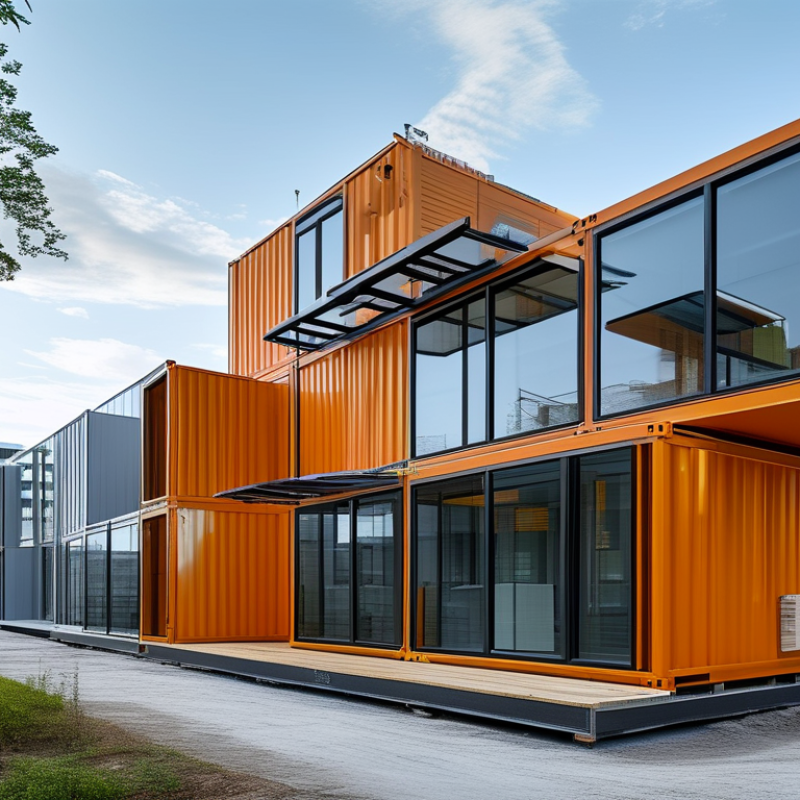
Why Modular Buildings Are Cost Effective for Office Setup?

Benefits of Modular Buildings for Office Environments

Modular buildings are transforming office setups. These structures are designed for efficiency, making them a smart choice for businesses. They are built in sections, allowing for quicker assembly. This speed can save businesses time and money.

One significant benefit of modular buildings is their flexibility. Companies can easily modify the layout as their needs change. This adaptability is crucial in a fast-paced work environment. It allows businesses to grow without undergoing massive renovations. You can start small and expand as needed.

Here are some tips to optimize your modular office space:

- Utilize natural light. Large windows can enhance mood and productivity.

- Invest in soundproofing materials. This can reduce noise distractions.

- Choose sustainable materials. They are not only cost-effective but also environmentally friendly.

Choosing a modular building can be a forward-thinking decision. However, consider local regulations and zoning laws. Not every area accommodates these structures seamlessly. Always research thoroughly before proceeding. This ensures that your new office environment will truly meet your needs.

Why Modular Buildings Are Cost Effective for Office Setup? - Benefits of Modular Buildings for Office Environments

Benefit Description Cost Efficiency Factor
Reduced Construction Time Modular buildings can be constructed in less time than traditional buildings. Lower labor costs
Lower Material Costs Bulk purchasing of materials leads to significant savings. Economies of scale
Energy Efficiency Modular buildings can be designed for optimal energy use, reducing utility bills. Lower operational costs
Flexibility Easy to expand or modify the structure as business needs change. Cost-effective space management
Faster ROI Quicker occupancy leads to faster returns on investment. Shorter time to profit

Cost Savings Compared to Traditional Construction Methods

Modular buildings offer significant cost savings when compared to traditional construction methods. According to a report by the Modular Building Institute, modular projects can be completed up to 30% faster than conventional builds. This accelerated timeline helps reduce labor costs and minimizes overhead expenses. With less time on the site, companies can start operations sooner and improve their cash flow.

Additionally, modular construction often results in reduced material waste. A study from McKinsey & Company highlights that modular methods can cut waste by as much as 20%. This efficiency not only saves money but also benefits the environment. However, it’s important to consider specific project needs. Customization can lead to increased costs. Balancing quality and budget is essential for a successful modular office setup.

Despite these advantages, a common concern is the perception of quality. Some perceive modular buildings as inferior to traditional constructions. Industry experts emphasize that high-quality materials and skilled labor can mitigate this. Properly constructed modular offices can offer durability and aesthetic appeal. Regular inspections during construction can ensure standards are met. Embracing modular buildings requires an understanding of both its strengths and limitations.

Time Efficiency in Modular Office Setup and Installation

Modular buildings have gained traction in recent years due to their remarkable time efficiency in office setup and installation. According to a 2022 study by the Modular Building Institute, modular construction can reduce project timelines by up to 50%. This is largely due to the simultaneous processes of site preparation and construction in a controlled environment. Factors such as weather delays are minimized, making the overall process significantly faster.

The ability to erect modular offices in mere weeks rather than months is crucial for businesses seeking agility. For instance, a report from McKinsey noted that traditional construction projects often exceed their original timelines by 20%. In contrast, modular setups offer predictable schedules. Clients can start their operations sooner, which can lead to faster returns on investment.

However, challenges remain. Modular construction may involve logistical hurdles, such as transporting sections to the site. Additionally, local zoning laws sometimes complicate the installation process. While the time savings are clear, stakeholders must address these issues to fully capitalize on the benefits of modular solutions. Overall, while modular buildings offer substantial time efficiency, careful planning and adaptation to local regulations are essential for optimal outcomes.

Flexibility and Scalability of Modular Office Solutions

Modular buildings offer remarkable flexibility in office solutions. Their design allows clients to adapt spaces quickly. Businesses can choose configurations that suit their current needs. When workplace dynamics change, modular setups can be reconfigured easily. This adaptability is essential for companies facing growth or contraction.

Scalability is another advantage of modular offices. As a business expands, new modules can be added. This incremental approach minimizes disruption during growth phases. It avoids the lengthy process of traditional construction. Companies benefit from reduced downtime, maintaining productivity.

However, not every modular solution fits perfectly with every business model. Some may struggle with aesthetic integration. Others may find that the initial investment requires careful consideration. Potential users should analyze their unique requirements and consult experts. This thoughtful approach can ensure the best use of modular building advantages.

Sustainability and Eco-Friendliness of Modular Building Practices

Modular buildings have gained traction in office setups, especially for their sustainability and eco-friendliness. These structures reduce waste significantly. According to the Modular Building Institute, modular construction can generate up to 90% less waste compared to traditional building methods. This is crucial as waste in construction is a growing concern.

Using sustainable materials is another advantage. Modular buildings often incorporate recycled and eco-friendly materials, lowering their carbon footprint. A report from the National Institute of Building Sciences indicates that green buildings can save up to 30% in energy costs. This makes modular structures an attractive option for companies aiming to enhance their environmental credentials.

Tip: When considering a modular office, assess the materials used. Researching the sourcing of materials can help ensure eco-friendliness.

Building design also plays a role. Modular designs can be optimized for energy efficiency, reducing reliance on heating and cooling systems. However, not all designs are created equal. Some might overlook potential thermal inefficiencies. It’s worth consulting with experts to mitigate these issues.

Tip: Explore energy-efficient features like solar panels or green roofs. These can greatly enhance sustainability while adding long-term savings.

FAQS

: What are modular buildings designed for?

: Modular buildings are designed for efficiency, benefiting businesses by saving time and money.

How do modular buildings offer flexibility?

They allow companies to modify layouts easily, adapting to changing needs without major renovations.

What are some tips for optimizing modular office space?

Utilize natural light, invest in soundproofing materials, and choose sustainable resources for better productivity.

How much time can modular construction save?

Studies show modular construction can reduce timelines by up to 50%, allowing quicker setups.

What challenges exist with modular construction?

Logistical hurdles and local zoning laws can complicate transportation and installation processes.

How do modular buildings contribute to sustainability?

They can generate significantly less waste and often use eco-friendly materials, lowering the carbon footprint.

Can modular buildings be energy efficient?

Yes, some designs can optimize energy use, but not all are equal; consulting experts is advisable.

Why is researching materials important?

Assessing materials helps ensure eco-friendliness and supports sustainability efforts in construction.

What is a common misconception about modular offices?

Some may think modular setups are less robust than traditional buildings, which is often not true.

What is one pitfall when choosing modular buildings?

Overlooking local regulations can lead to complications; thorough research is essential for success.

Conclusion

Modular buildings offer a cost-effective solution for office setups by significantly reducing construction expenses compared to traditional methods. By utilizing pre-fabricated components, businesses can benefit from quicker installation times and lower labor costs, ultimately learning how to reduce office setup costs using modular buildings.

Additionally, the flexibility and scalability of modular solutions allow companies to adapt their office space according to changing needs, making them an ideal choice for growing organizations. Furthermore, these buildings are designed with sustainability in mind, promoting eco-friendly practices that not only reduce environmental impact but also contribute to long-term operational savings. Overall, modular buildings present a strategic advantage for creating efficient and innovative office environments.

Henry

Henry

Henry is a dedicated marketing professional with a profound expertise in the company's offerings. With years of experience in the industry, he possesses an impressive understanding of the market dynamics and consumer behaviors that drive success. Henry is committed to sharing his insights through......