The debate on whether modular buildings are environmentally friendly has gained significant attention. As global buyers consider sustainability, it is essential to assess the ecological impact of modular construction. Are modular buildings environmentally friendly? This question invites us to explore various facets of modular design and its lifecycle.
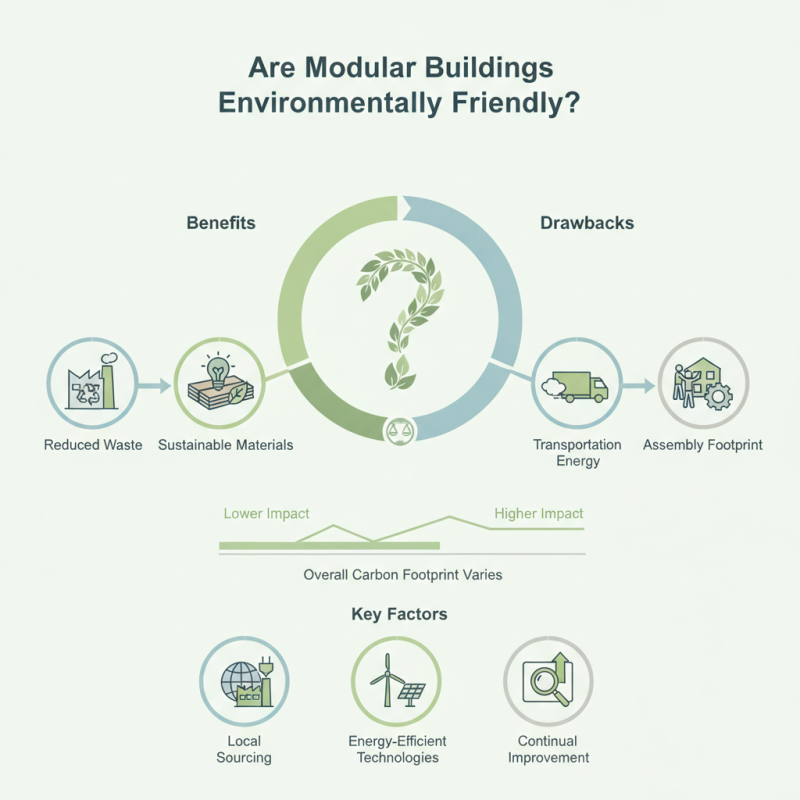
Modular buildings are prefabricated structures created in controlled environments. This method can reduce waste during construction. Additionally, they often use sustainable materials. However, we must also consider the energy used in transportation and assembly. While efficiency gains are evident, the overall carbon footprint may vary.
As we reflect on the benefits and drawbacks, the answer is not clear-cut. The environmental friendliness of modular buildings depends on several factors. Local sourcing and energy-efficient technologies can enhance their green credentials. Yet, the industry must continually seek improvements. The quest for sustainability in modular construction evolves, and ongoing evaluation is crucial.
What are Modular Buildings and Their Environmental Impact?
Modular buildings are prefabricated structures made in sections off-site and assembled on location. This innovative method has gained attention for its potential environmental benefits. Modular construction often uses sustainable materials, reducing waste in the building process. Moreover, the ability to control building conditions during manufacturing leads to energy efficiency.
However, there are challenges. Not all modular buildings utilize eco-friendly practices. Some may still rely on less sustainable materials, which could be harmful. Buyers should research their options thoroughly to ensure they are making an environmentally responsible choice.
**Tip:** When considering a modular building, ask about the materials used and the company’s sustainability policies.
Energy efficiency varies from one modular building to another. Certain designs and technologies significantly minimize energy consumption. Yet, some structures may fall short of energy-saving standards. It's crucial to evaluate energy ratings and certifications before making a purchase.
**Tip:** Look for third-party certifications that validate a building's energy efficiency and environmental impact.
Incorporating green features, like solar panels or rainwater harvesting systems, can enhance environmental benefits. Yet, adding these features may incur extra costs. Balancing initial investments with long-term savings can be tricky.
**Tip:** Calculate the return on investment for green features to find the right balance.
Advantages of Modular Buildings in Sustainable Construction Practices
Modular buildings are gaining traction in sustainable construction. They offer a range of advantages that appeal to environmentally conscious buyers. One key benefit is their efficient use of materials. Each component is prefabricated, which minimizes waste and maximizes resource efficiency. This method significantly reduces construction site debris.
Additionally, modular buildings often use sustainable materials. Bamboo, recycled steel, and eco-friendly insulation are popular choices. These materials lead to less environmental impact during the production stage. They also contribute to better energy efficiency once the buildings are in use. However, not all modular projects are created equal. Some may skimp on sustainability practices during assembly.
Time-saving is another advantage. Modular construction can shorten project timelines, leading to faster occupancy. Yet, the speed must not compromise quality or sustainability. Buyers should ensure that contractors adhere to eco-friendly practices throughout the process. This includes responsible sourcing and adherence to green building standards, which may vary widely.
Sustainability in modular construction is promising but requires diligence.
Material Choices: Are Modular Buildings Energy Efficient and Eco-Friendly?
Modular buildings are gaining attention for their potential eco-friendliness. A report by the Modular Building Institute indicates that these structures can cut energy use by up to 60% compared to traditional buildings. This energy efficiency stems largely from modern insulation materials and efficient construction processes. The use of prefabricated components minimizes waste and reduces the demand for raw materials, promoting a circular economy.
When materials are chosen wisely, modular buildings can also contribute to sustainability. Many builders opt for eco-friendly options like bamboo and recycled steel. These materials not only enhance energy efficiency but also lower carbon footprints. Moreover, modular construction often leads to faster completion times, which can decrease the environmental impact associated with ongoing construction activity.
Tips: Always consider local climate and site conditions when selecting materials. Investigate the sustainability certificates of your building materials. Collaborating with experienced architects can also streamline the design process, ensuring energy efficiency remains a priority.
Are Modular Buildings Environmentally Friendly for Global Buyers? - Material Choices: Are Modular Buildings Energy Efficient and Eco-Friendly?
| Material Type |
Energy Efficiency Rating |
Recyclability |
Lifetime Carbon Emissions (kg CO2e/m²) |
Sourcing Sustainability |
| Wood |
A++ |
High |
50 |
Certified Sustainable |
| Steel |
A+ |
Moderate |
120 |
Recycled Content |
| Concrete |
B |
Low |
150 |
Locally Sourced |
| Bamboo |
A+ |
Very High |
30 |
Fast Growing |
| Recycled Plastic |
B+ |
High |
100 |
100% Recycled |
Comparing the Carbon Footprint of Modular vs. Traditional Buildings
The carbon footprint of buildings is a crucial topic in the quest for sustainability. Modular buildings often emerge as a greener choice compared to traditional structures. Research shows that modular construction can reduce energy use during production by 67%. This efficiency stems from controlled factory environments, minimizing waste. In contrast, traditional construction produces significantly more on-site waste, contributing to higher emissions.
A report from the World Green Building Council indicates that buildings account for 39% of global carbon emissions. Modular buildings, with their shorter construction times and less site disruption, represent a viable solution to this pressing issue. They can take just a few weeks to complete, while traditional methods can drag on for months. The carbon output per square foot is often lower for modular units, providing a potentially significant advantage in urban areas.
However, not all modular buildings are created equal. Material choices greatly influence their sustainability. Some manufacturers may rely on cheaper materials that lack durability or recyclability. Thus, buyers need to conduct due diligence. Exploring lifecycle assessments will enable informed decisions while identifying the truly sustainable options. The challenge lies in balancing cost and environmental impact. As the industry evolves, ongoing reflection on best practices will be necessary.
Carbon Footprint Comparison: Modular vs. Traditional Buildings
Global Perspectives: Adoption of Modular Buildings in Sustainable Development
The adoption of modular buildings represents a significant shift in the landscape of sustainable development globally. Modular construction methods can drastically reduce waste. These buildings are often prefabricated, which leads to more efficient use of materials. Reducing transportation emissions is another clear benefit. When components are produced off-site, they can minimize fuel consumption during transport.
Different countries exhibit varying levels of enthusiasm towards modular solutions. In some regions, there is strong government support, reflecting a commitment to sustainability. Yet, in other areas, the concept remains underexplored. Communities sometimes worry about the stigma associated with pre-fabricated structures. There is an ongoing debate about the visual appeal vs. environmental benefits.
Despite their advantages, it’s important to acknowledge challenges in modular construction. The upfront costs can appear high, deterring potential investors. Building regulations can also act as a barrier, as they often do not accommodate innovative designs. These factors require careful consideration. Global buyers need a balanced perspective.
FAQS
: Modular buildings are prefabricated structures made in sections and assembled on-site.
They can reduce waste and energy use but may vary based on material choices.
No, some may use less sustainable materials. Researching options is essential.
Evaluate energy ratings and third-party certifications before purchasing.
Solar panels and rainwater systems improve sustainability but may increase costs.
They can reduce energy use by up to 60% compared to traditional structures.
Eco-friendly materials like bamboo and recycled steel help lower carbon footprints.
Modular construction can cut energy use during production by 67%, leading to a smaller carbon footprint.
Balancing cost with sustainability can be difficult, requiring careful consideration.
Focus on material choices and sustainability certificates for informed decisions.
Conclusion
Modular buildings have gained attention as a potentially sustainable alternative in the construction industry. The article explores whether modular buildings are environmentally friendly by examining their construction methods and environmental impact. These structures often utilize efficient building practices and materials that reduce waste and energy consumption, contributing to sustainable construction efforts.
Additionally, comparing the carbon footprint of modular buildings versus traditional ones highlights the benefits of modularity in reducing greenhouse gas emissions. With a growing global commitment to sustainable development, understanding the adoption of modular buildings offers insights into their role in environmentally responsible construction practices. Ultimately, while the question of whether modular buildings are environmentally friendly is complex, their advantages suggest a positive direction for eco-conscious construction.

 CasaDe Home