The concept of modular homes has gained popularity in recent years. Many families seek cost-effective and efficient housing solutions. However, the question remains: are modular homes suitable for family living?
Modular homes offer various benefits for families. They are often less expensive than traditional homes. Furthermore, they can be customized to meet specific needs. For example, families can choose different layouts and finishes. This flexibility is appealing. However, potential drawbacks exist. Some modular homes may lack the traditional feel of a house. Families might also worry about resale value.
In exploring whether modular homes are ideal for families, it’s essential to consider both the positives and negatives. This examination will help families make informed decisions. Ultimately, finding the right home is about balance. Understanding the unique needs of a family will lead to the best choice.
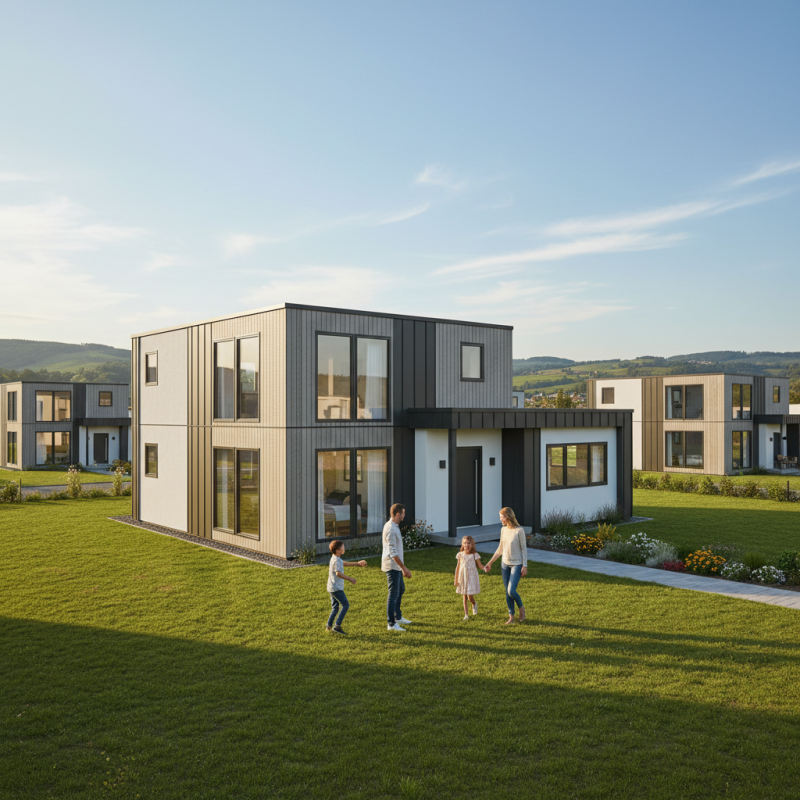
Modular homes are a modern architectural solution for many families. They are constructed off-site in sections, known as modules. These modules are then transported and assembled on the building site. This method often accelerates construction, meaning families can move in sooner. Modular homes combine quality with innovation, creating efficient living spaces tailored to diverse family needs.
One key feature of modular homes is their flexibility in design. Families can choose layouts that best suit their lifestyles. Open floor plans are popular for gatherings. Children’s areas can be separated for privacy. However, the customization process can sometimes feel overwhelming. It requires careful consideration of family dynamics and future needs.
While modular homes can be energy-efficient, the initial cost can be a concern. Some families may find that financing a modular home is more complex than traditional options. Researching local regulations and building codes becomes crucial. Engaging with local builders who specialize in modular construction can provide valuable insights. This helps families make informed decisions, aligning their living space with their long-term aspirations.
Modular homes are increasingly recognized for their suitability to family living needs. A recent study by the National Association of Home Builders indicates that modular homes can be built up to 50% faster than traditional homes. This speed is essential for families who require timely moves, such as those relocating for jobs or school districts.
One notable advantage of modular homes is their customizable design. Families can choose layouts that suit their needs, from multi-bedroom floor plans to open-concept living spaces. A survey by Modular Home Builders Association found that 75% of families report high satisfaction with their homes' designs. Customization allows parents to create a connected family space while providing personal areas for children.
**Tip:** When considering a modular home, think about future needs. Flexibility can save you from costly renovations later.
Another benefit is energy efficiency. Many modular homes are built with eco-friendly materials and advanced insulation, leading to lower energy bills. According to the U.S. Department of Energy, these homes can save families up to 30% on utility costs. However, not all modular homes are created equal. Researching builders and their materials is crucial for optimizing energy savings.
**Tip:** Don't skip energy audits. They can reveal potential savings and improve your home's efficiency.
Understanding these factors can make a significant difference in your family's living experience. Modular homes offer solutions but require careful consideration of design and efficiency for the best results.
| Feature | Details |
|---|---|
| Cost-Effectiveness | Typically less expensive to construct than traditional homes, leading to lower mortgage payments. |
| Customization | Fully customizable designs to fit the family's needs and preferences. |
| Construction Time | Faster construction times compared to traditional homes, allowing families to move in sooner. |
| Sustainability | Often built with sustainable materials and energy-efficient designs, appealing to environmentally conscious families. |
| Quality Control | Built in controlled environments, which can lead to higher quality construction standards. |
| Flexibility | Ability to add modules or expand as the family's needs grow over time. |
Modular homes have gained popularity for those looking to accommodate family living needs. When designing these homes, several factors come into play. Space matters a lot. Open floor plans create a feeling of togetherness. A flexible layout allows families to gather, yet provides privacy when needed.
Safety is another crucial consideration. Modular builders often use high-quality materials. However, families should ensure that features like smoke detectors and child-proof locks are included. Additionally, investing in energy-efficient appliances can lead to significant savings over time. This not only helps in reducing costs but also promotes a sustainable lifestyle.
Family needs vary widely. Some might desire a home office for remote work, while others might need a playroom for children. Reflecting on your family's specific requirements is essential. Designing modular homes that adapt to changing family dynamics is an area worth exploring. Careful planning can make a substantial difference in overall satisfaction with your living space.
Modular homes are gaining attention for their environmental impact and sustainability. According to a report by the Modular Building Institute, modular construction can reduce waste by up to 90%. This is because much of the building is done in a factory setting, where materials can be optimized. Less waste means a smaller ecological footprint.
In terms of energy efficiency, modular homes often exceed traditional builds. The U.S. Department of Energy notes these homes can save 15-20% on energy bills. Advanced insulation and construction techniques contribute significantly to this energy efficiency. However, it’s essential to consider local climate and design when assessing long-term sustainability.
**Tips:** When exploring modular options, look for certifications that confirm energy efficiency. Engaging with architects who specialize in modular design can provide insights that improve sustainability. Regular maintenance also plays a crucial role in longevity and efficiency, so schedule checks often.
The rising popularity of modular homes is reshaping family living. While they offer numerous benefits, a cost comparison reveals varied insights. According to the National Association of Home Builders, modular homes can save up to 10-20% compared to traditional homes. This significant price difference stems from reduced labor costs and shorter construction timeframes.
However, it's essential to consider long-term implications. While upfront costs are lower, future resale values can be a concern. A report by the U.S. Census Bureau suggests that modular homes may not appreciate at the same rate as site-built homes. Family needs, such as space for growth and outdoor areas, must be weighed against these financial projections.
Energy efficiency is another factor influencing costs. Modular homes often incorporate better insulation and energy-efficient appliances, leading to lower utility bills. A study by the U.S. Department of Energy highlights that energy-efficient homes can save homeowners approximately 30% on energy costs annually. Yet, some families may find modular designs too restrictive, limiting aesthetic potentials and personal expression.
: Modular homes are prefabricated houses built off-site in sections. These sections are assembled on the final site.
This construction method speeds up building times, allowing families to move in sooner compared to traditional homes.
Yes, families can choose layouts and designs that fit their unique lifestyles and future needs, though it may feel overwhelming.
Key considerations include space, safety features, and flexibility for different family needs, such as home offices or playrooms.
Modular homes tend to be more energy-efficient than traditional homes, often saving 15-20% on energy bills.
Families should include features like smoke detectors and child-proof locks in their designs for improved safety.
Modular construction can reduce waste by up to 90%, leading to a smaller ecological footprint and promoting sustainability.
Financing can sometimes be more complex than traditional homes, requiring research on regulations and building codes.
Regular maintenance, engaging with specialists, and choosing energy-efficient appliances are key to long-term sustainability.
Considering specific needs and dynamics can enhance satisfaction with the overall living space and its functionality.
The article titled "Are Modular Homes Ideal for Family Living Needs?" provides an in-depth exploration of modular homes and their suitability for families. It begins with an overview and definition of modular homes, highlighting their construction process and versatility. The advantages of modular homes for families include faster construction times, greater affordability, and the ability to customize designs to meet specific family needs. Considerations for family living are also discussed, such as space utilization and layout arrangements that enhance functionality.
Additionally, the piece delves into the environmental impact of modular homes, emphasizing their sustainability features in comparison to traditional builds. Finally, cost comparisons illustrate the economic benefits of choosing modular homes over conventional options. In conclusion, the insights presented in the article help answer the critical question: are modular homes suitable for family living, indicating that they can be a practical and efficient choice for accommodating diverse family lifestyles.

CasaDe Home