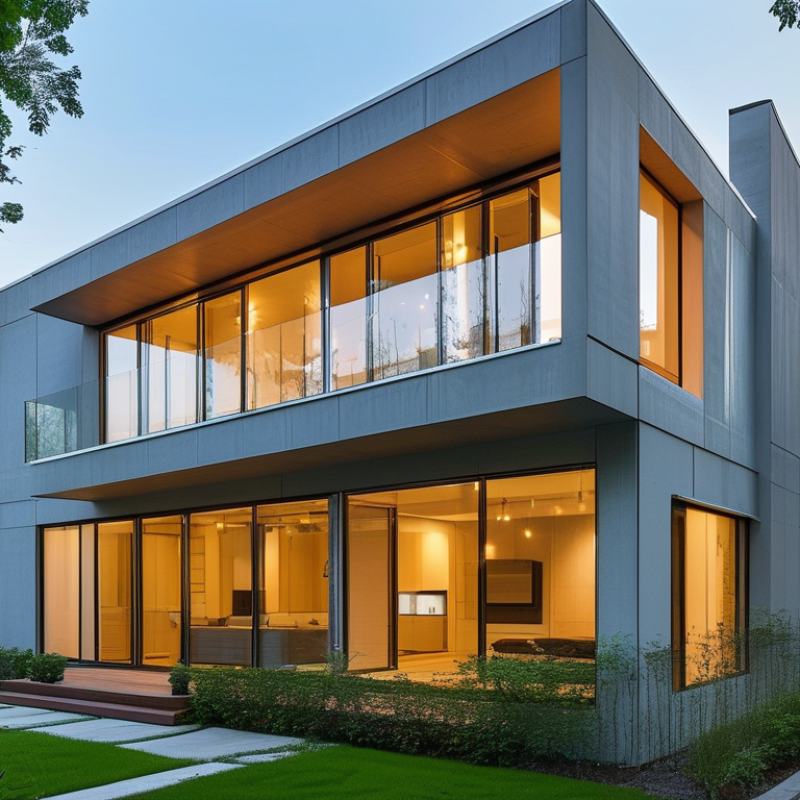
As urban populations continue to swell, the demand for housing has surged. This situation raises a critical question: why are prefab homes gaining popularity in urban areas? These structures offer a unique solution to the pressing need for affordable and efficient housing. Compared to traditional builds, they promise quicker construction times and reduced waste. Yet, this trend is not without its complexities.
Many urban planners and developers are increasingly advocating for prefab homes. They recognize the potential for these homes to address housing shortages. Urban settings often face space constraints, making prefab designs a practical choice. However, concerns about aesthetics and community integration remain. It prompts a discussion about how these homes fit into the established city fabric.
The appeal lies not just in affordability or speed. Prefab homes also come with flexibility and modern design. They can adapt to various urban environments and demographics. Still, the question persists: can these homes truly meet the diverse needs of city dwellers? Understanding why are prefab homes popular in urban areas involves exploring both their potential and limitations. Each city offers unique challenges, and prefab homes must navigate them smartly.
Prefab homes are becoming increasingly popular in urban environments. Many factors drive this trend. One key reason is the housing crisis in cities. According to a 2022 report by the National Association of Home Builders, urban areas are experiencing an acute shortage of affordable housing. Prefab homes offer a solution by reducing construction time and costs.
Moreover, sustainability plays a crucial role. A recent study by McKinsey shows that prefab buildings can cut waste by 50% compared to traditional methods. These homes often use eco-friendly materials, appealing to environmentally conscious buyers. Urban residents are looking for options that align with their values, and prefab homes fit the bill.
However, challenges remain. Quality concerns are common among potential buyers. Some fear that prefabrication compromises durability. Reports indicate that public perception still holds some skepticism. Urban planners must address these concerns to enable greater acceptance of prefab solutions. Engaging the community and showcasing successful projects can help shift this perspective.
Prefab homes are becoming more popular in urban areas due to their economic advantages. These homes can often be built faster than traditional houses. This speed can correlate to lower labor costs. The manufacturing process also allows for speedier construction. Fewer delays occur when homes are created in a factory setting.
Another significant economic factor is the reduced waste. Traditional home building can generate tons of debris. Prefab construction minimizes this waste by using precise measurements and pre-cut materials. This efficiency can lead to lower overall project costs. Additionally, homeowners often find that prefab homes have lower maintenance costs in the long run.
However, not all prefab homes are created equal. Some may have design limitations. Buyers must navigate between cost savings and aesthetic value. Urban dwellers might need to sacrifice space or personalization. This balance can spark discussions about what truly matters in home living. Ultimately, understanding these aspects helps make informed decisions on housing choices.
| Dimension | Prefab Homes | Traditional Homes |
|---|---|---|
| Cost Per Square Foot | $100 - $150 | $150 - $300 |
| Construction Time | 3 - 6 months | 6 - 12 months |
| Waste Generated | Minimal | High |
| Energy Efficiency | High | Moderate |
| Customization Options | Moderate | High |
| Resale Value | Moderate | High |
Prefab homes are increasingly embraced in urban landscapes due to their sustainable attributes. According to a report from the U.S. Census Bureau, modular construction can reduce waste by up to 60%. This is a significant advantage for cities where waste management is an ongoing challenge. Prefab homes are built in controlled environments, minimizing material rubbish and promoting recycling. This method also lessens the carbon footprint associated with traditional site-built houses.
Energy efficiency is another critical factor. A study by the National Renewable Energy Laboratory shows that prefab homes can use up to 25% less energy than conventional homes. With urban areas facing rising energy demands, this efficiency can contribute to more stable utility costs. Yet, there is room for improvement. Many prefab designs struggle with integrating sustainable technologies fully. Advances in solar energy and energy-efficient appliances must be prioritized to enhance eco-friendliness.
Moreover, urban spaces present unique challenges for implementing these homes. Zoning regulations sometimes hinder the placement of prefab structures. City planners must adapt to encourage these resilient options. Engaging with local communities can ensure that these homes meet specific needs while promoting sustainable building practices. Achieving a balance is essential in making prefab homes a lasting solution for urban living.
Prefab homes are becoming a popular choice in urban settings. They offer unique flexibility and customization options, making them attractive to city dwellers. With space at a premium, these homes can adapt to various needs. Homeowners can select layouts that fit their lifestyles. Modern designs allow for open spaces or cozy nooks, depending on personal preference.
Customization is key in prefab designs. Many builders offer features like eco-friendly materials and energy-efficient systems. You can choose from various finishes and colors. This level of personalization means that your home truly reflects your tastes. However, one must consider the potential challenges. Some may find it hard to balance customization with budget constraints.
When approaching a prefab home project, it’s wise to prioritize your needs. Determine which features are essential for daily living. Explore options thoroughly, as not all companies offer the same flexibility. Be prepared to compromise on some aspects to stay within budget. Remember, even small choices can impact your overall satisfaction with the home.
Urban areas are facing a unique set of challenges. As populations grow, the demand for housing increases. Traditional homes often require large plots of land, which can be scarce in city environments. Prefab homes offer an innovative solution to optimize urban space. They utilize fewer resources and can be constructed faster than conventional homes. This efficiency supports the ever-growing need for housing in cities.
Prefab homes can be customized to fit into small lots. Their modular design allows for creative layouts that maximize living space. For instance, these homes can incorporate multifunctional furniture and smart storage solutions. This adaptability makes them ideal for families and individuals in urban settings. However, some might argue that prefab homes lack the warmth and character of traditional houses. The focus on efficiency can sometimes overshadow personal touches.
Moreover, the sustainability of prefab homes is a vital consideration. Many of these structures use eco-friendly materials and energy-efficient designs. This approach reduces the carbon footprint of urban living. Still, questions remain about long-term durability and maintenance. Homeowners may find themselves reflecting on the trade-offs between environmental benefits and potential structural issues. Pretab homes challenge conventional living but also invite discussion about the future of urban housing.
: Prefab homes reduce waste by up to 60% and promote recycling. They produce less material rubbish in controlled environments.
Prefab homes can use up to 25% less energy than traditional homes. This efficiency helps manage rising energy demands in urban areas.
Yes, zoning regulations can hinder the placement of prefab structures. City planners need to adapt to support these options.
Absolutely. Homeowners can choose layouts, materials, and finishes to reflect personal preferences. Customization is a major attraction.
Identify essential features for daily living. Explore different options and be prepared to compromise on some aspects.
Yes, many prefab designs struggle with full integration of sustainable technologies. Prioritizing solar energy and efficient appliances is crucial.
Engaging with local communities ensures homes meet specific needs. It promotes sustainable building practices while considering local challenges.
It can be challenging. Homeowners must carefully consider what's essential to stay within budget while achieving desired aesthetics.
Small choices can significantly affect overall satisfaction. Each decision impacts how well the home meets personal needs.
They have the potential to be a lasting solution, but a balance must be achieved between design, regulations, and community needs.
Prefab homes are gaining popularity in urban areas due to a combination of economic, environmental, and design factors. One primary reason why are prefab homes popular in urban areas is their cost-effectiveness compared to traditional housing, allowing buyers to save on construction costs and time. Additionally, the sustainability of prefab home construction aligns with increasing urban demands for eco-friendly living solutions, utilizing materials and practices that minimize environmental impact.
Flexibility and customization options offered by prefab designs make them an attractive choice for urban dwellers seeking personalized living spaces within limited city environments. Moreover, these homes optimize urban space, effectively addressing challenges such as land scarcity and rising property prices. As cities continue to grow, prefab homes present a viable solution for accommodating urban populations while promoting sustainable living practices.
CasaDe Home