Container-based structures are becoming more popular due to their versatility and cost-effectiveness. However, how to ensure safety in container based structures is a crucial concern. These buildings, while innovative, pose unique challenges that must be addressed properly. Safety should never be an afterthought; it must be integrated into the design and construction process from the beginning.
When utilizing containers for construction, understanding the potential risks is vital. Factors such as structural integrity, fire safety, and environmental impact can significantly affect safety. Proper insulation and ventilation are important to ensure a safe living environment. Additionally, the suitability of the site is essential. Factors like soil stability and weather conditions can influence the safety of container-based structures.
Investing time and resources into safety measures is necessary. Each container must be assessed for durability and potential hazards. Skills from experienced professionals can guide better decision-making. This can help avoid past mistakes observed in similar projects. Ultimately, prioritizing safety leads to improved outcomes and long-lasting structures that meet the needs of their occupants.
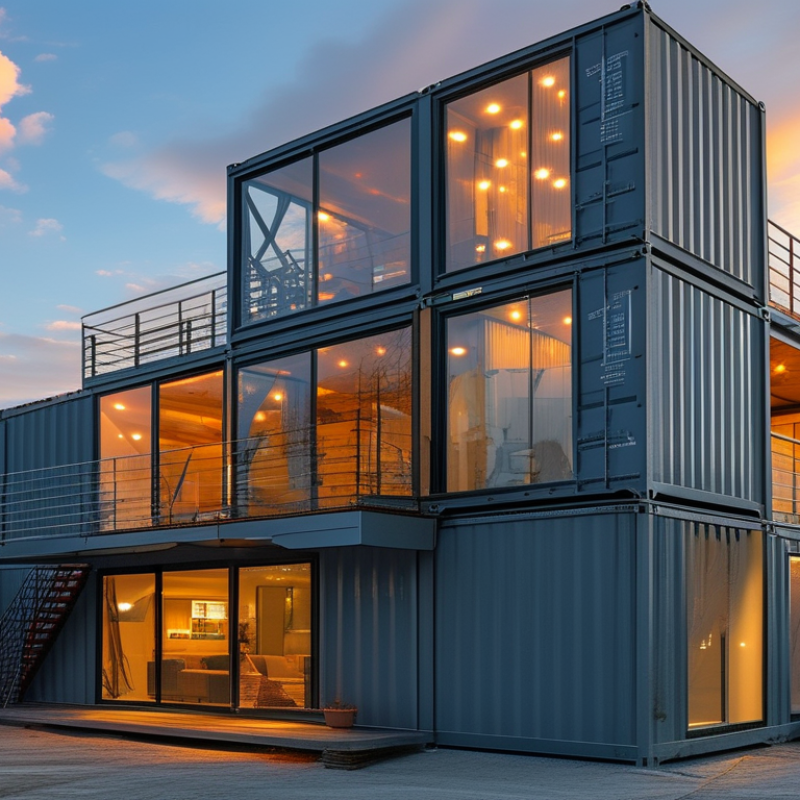
Understanding the Structural Integrity of Container-Based Buildings
Container-based buildings are gaining popularity. They are cost-effective and eco-friendly. However, ensuring their structural integrity is crucial for safety. According to a report by the International Code Council, approximately 68% of container-based structures face integrity issues without proper reinforcement.
Containers need appropriate foundation support. Poor soil conditions can lead to shifting or sinking. It is vital to conduct soil tests beforehand. Analyze the soil quality and stability. This proactive step can mitigate future structural issues.
Tip: Use reliable materials for connections. Welding and bolting are common joining methods, but they require precision. Improperly executed connections can lead to structural failures over time. Regular inspections can catch issues early.
Ventilation can be a problem in containers. Limited airflow leads to condensation and mold. To enhance safety, install windows or ventilation systems. This will improve indoor air quality, reducing health risks.
Tip: Regular maintenance is essential. Inspect for rust, corrosion, or signs of wear. Neglecting minor repairs can escalate into major structural failures. Keeping an eye on your building's condition ensures long-term safety and durability.
Key Safety Regulations for Container Construction Projects
Container-based structures have gained popularity in recent years due to their versatility and cost-effectiveness. However, ensuring safety during construction is paramount. Key safety regulations play a vital role in this process. According to the International Code Council (ICC), compliance with local building codes is essential for container projects. These codes often dictate structural integrity, fire safety, and accessibility standards. Constructing without these regulations can lead to significant safety hazards.
Proper inspections are crucial throughout the construction phase. A report by the National Institute of Standards and Technology (NIST) highlights that approximately 34% of construction accidents are related to inadequate safety checks. Regular assessments ensure that materials and welds meet industry guidelines. Moreover, implementing proper ventilation is critical. Poor air quality can lead to health issues for workers and future occupants. The Occupational Safety and Health Administration (OSHA) recommends strict adherence to ventilation standards to prevent potential respiratory problems.
Worker training is another critical component in container construction. A recent study indicated that nearly 40% of construction injuries stem from a lack of safety knowledge. Ongoing education about risks and regulations is vital. Workers should be well-versed in emergency protocols. Their ability to react swiftly can save lives. Prioritizing these regulations not only enhances safety but also contributes to the long-term viability of container-based projects.
Essential Site Planning for Container Structures
When planning a site for container-based structures, several factors must be considered to ensure safety and efficiency. Proper site planning starts with selecting a stable and level foundation. This is crucial for preventing future structural issues. Always verify the soil quality and strength before laying down any containers. Inspect the area for potential hazards, such as flooding or landslides, that could compromise safety.
Consider the layout of the containers. They should be positioned to maximize natural light and ventilation. Adequate space between containers allows for easy access and emergency evacuations. Use durable materials for walkways and ramps to ensure they can withstand frequent use. Remember, design too much for aesthetic purposes can lead to neglecting essential safety features.
Effective drainage systems are another vital aspect of site planning. Water pooling around containers can lead to rust and damage. Ensure that a proper system is in place to redirect water away. Evaluate local weather patterns to anticipate any additional measures needed for extreme conditions. Attention to these details greatly enhances the resilience of container structures. The goal should always be a balance between innovative design and practical safety measures.
Implementing Proper Insulation and Ventilation Solutions
Implementing proper insulation and ventilation in container-based structures is critical for ensuring safety and comfort. Insulation helps regulate temperature, preventing extremes that can harm occupants. It reduces energy consumption as well, contributing to more sustainable living. When selecting insulation materials, consider their fire resistance and thermal properties. Common choices include foam boards or spray foam, which can effectively seal gaps and minimize heat transfer.
Ventilation is equally important. Poor airflow can lead to moisture buildup and stagnant air, which fosters mold and health issues. Installing vents strategically can enhance air circulation. Creating cross-ventilation by placing windows or other openings across from each other can encourage fresh air flow. It is essential to balance insulation and ventilation to avoid condensation problems.
Reflecting on past projects, some builders overlooked these aspects. They faced issues like inadequate heating or too much humidity. Learning from these experiences shows that investing in quality insulation and ventilation solutions can significantly enhance the durability and habitability of container structures. Awareness of such challenges can lead to better design decisions in the future.
Regular Maintenance and Inspection Protocols for Container Safety
Regular maintenance and inspection protocols are vital for ensuring safety in container-based structures. The International Organization for Standardization (ISO) emphasizes the importance of routine assessments. Regular inspections can identify structural weaknesses or signs of wear. Research shows that nearly 30% of structural failures are due to lack of maintenance.
Scheduled assessments help maintain safety standards. These inspections should include checking for rust, corrosion, and ensuring seals are intact. Detailed records of maintenance work and inspections improve accountability and safety compliance. The Occupational Safety and Health Administration (OSHA) cites thorough documentation as a critical factor in preventing accidents.
It's essential to prioritize training for workers involved in maintenance. Knowledge gaps can lead to oversight during inspections. A study by the Construction Industry Institute found that 50% of accidents are linked to inadequate training. Regular workshops can help keep employees informed of best practices. Establishing a feedback loop can enhance the overall safety culture.
Top 10 Tips to Ensure Safety in Container-Based Structures
Conclusion
To ensure safety in container-based structures, it is crucial to understand their structural integrity, which begins with adhering to key safety regulations throughout the construction process. Site planning plays a significant role in maximizing safety, as careful evaluation of the land and surrounding environment can prevent potential hazards from arising.
Moreover, implementing proper insulation and ventilation solutions not only enhances comfort but also addresses health and safety concerns, such as mold growth and temperature extremes. Regular maintenance and inspection protocols are essential to identify and resolve issues before they escalate, ensuring that the container buildings remain safe and livable over time. By following these guidelines, builders and occupants can significantly enhance safety in container-based structures.

 CasaDe Home