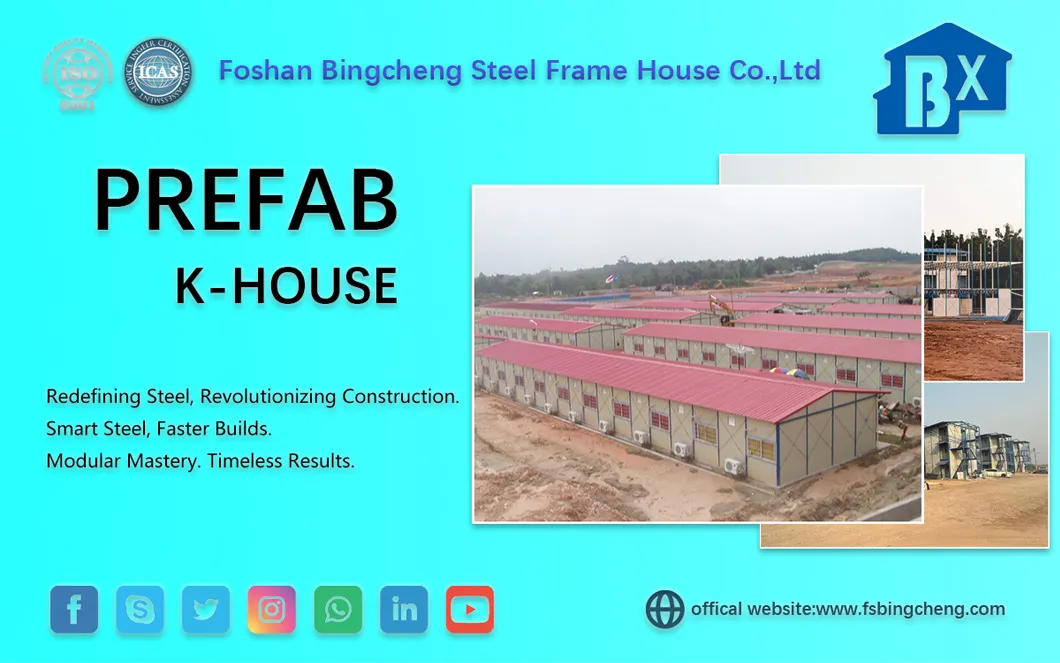
Durable Prefab Steel Structures for Efficient Building Solutions Affordable Eco-Friendly Prefab Steel Structures for Smart Constructions

Customization: Available
Fast Installation: Fast Installation
Feature: Earthquake Resistant, Easily Movable, Eco-Friendliness, Flexibly Combinable, Leak Proof, Moisture Proof, Safe, Thermal Insulation, Waterproof, Wind Resistance

Product Description

Basic Specifications

Model NO.
BXT-K003
Material
Steel Structure
Connection
Bolt Connection
Grade
Carbon Structural Steel
Molding
Cast Steel
Standard
GB
Roof
Sandwich Panel
Window
UPVC Window
Origin
China
Package Size
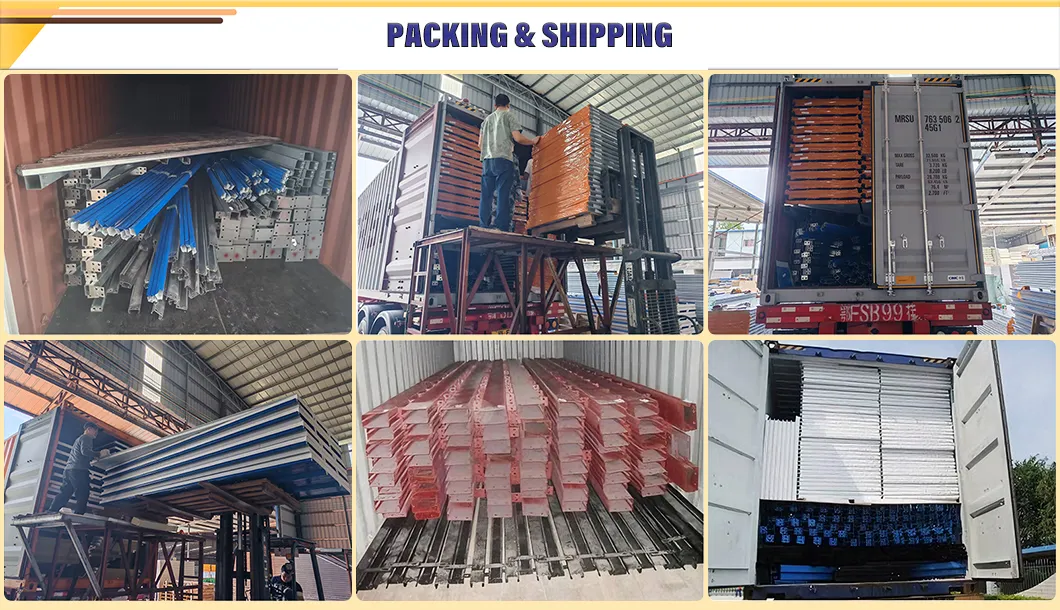
256.00cm * 95.00cm * 5.00cm
Gross Weight
23.500kg

Product Description

I. Core Structure

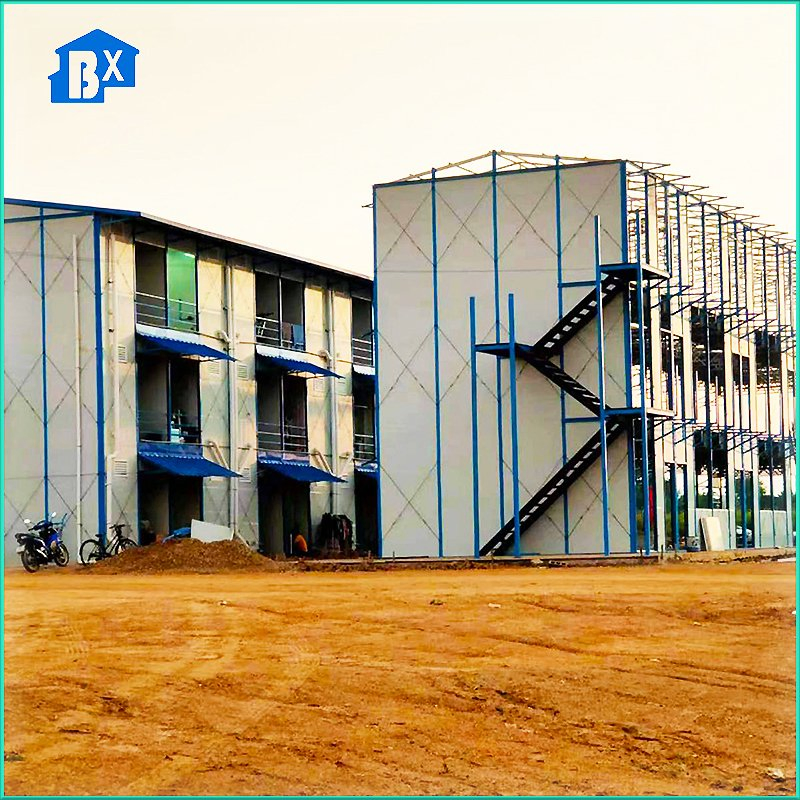
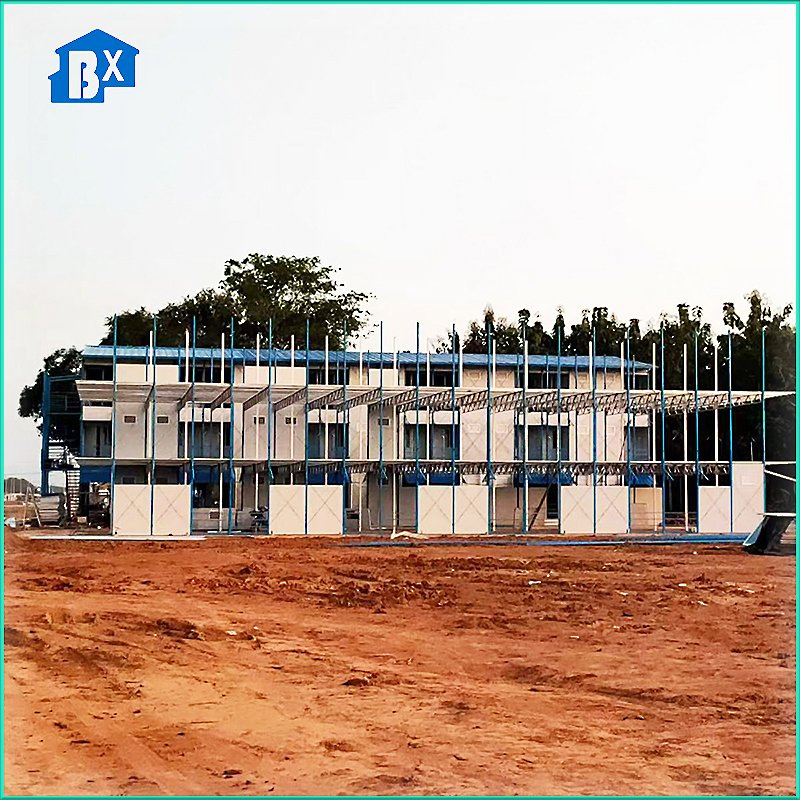
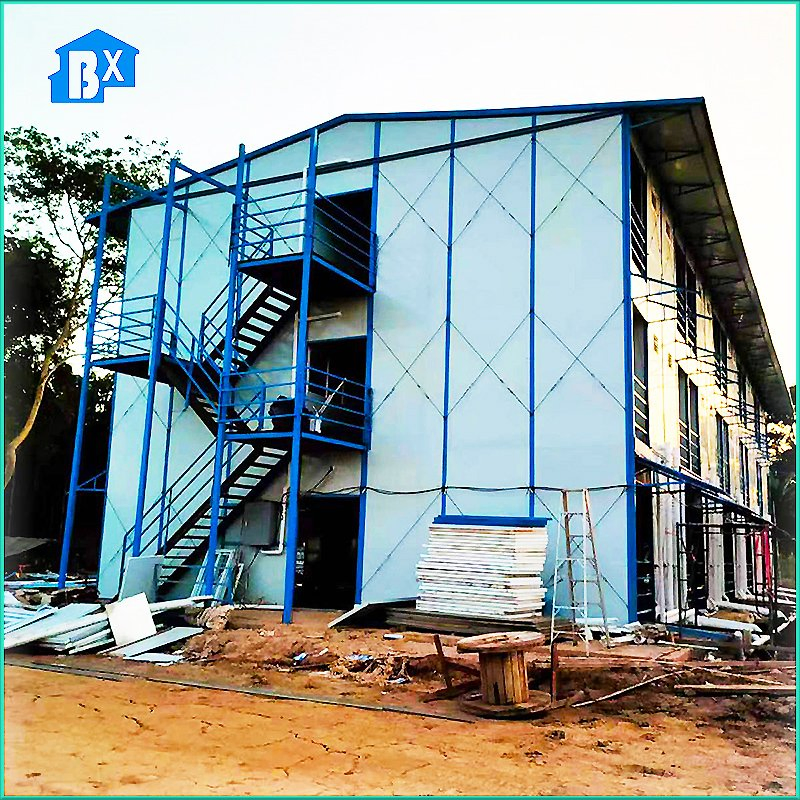
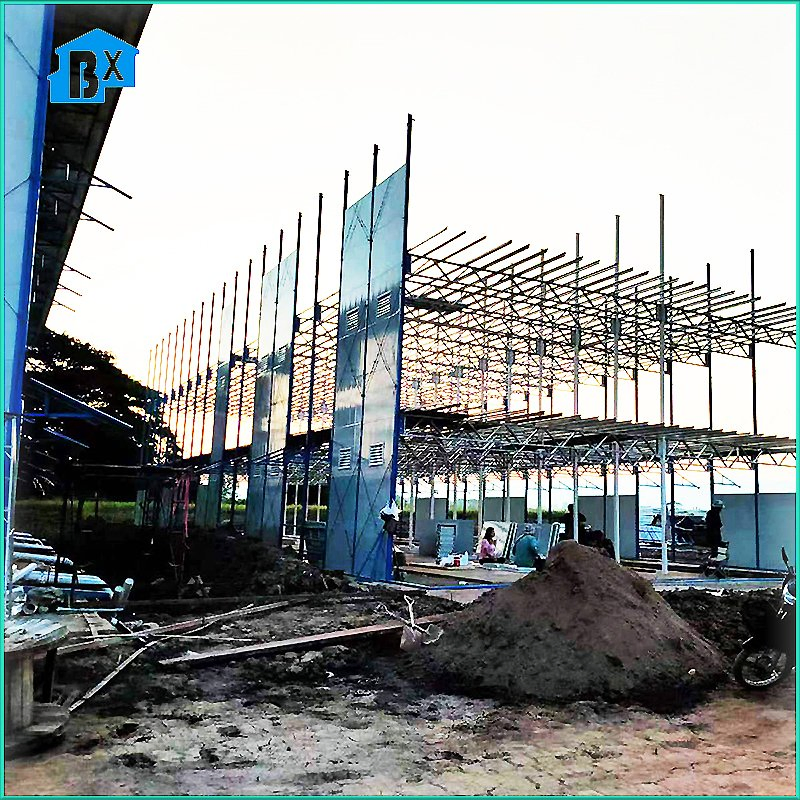
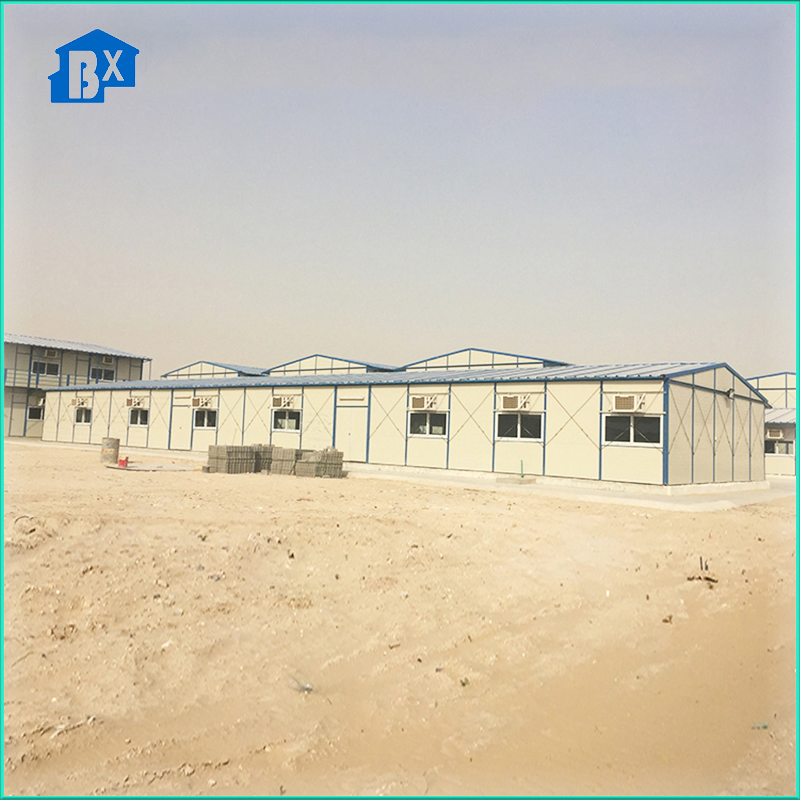
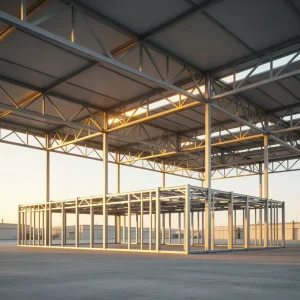
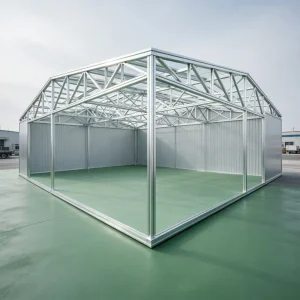
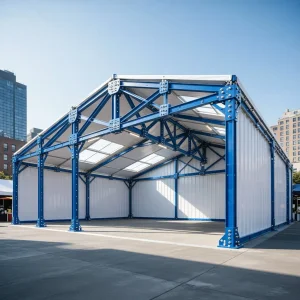
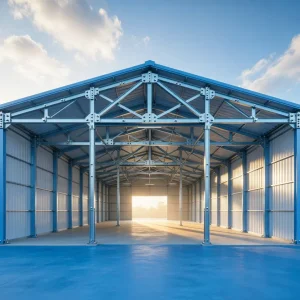
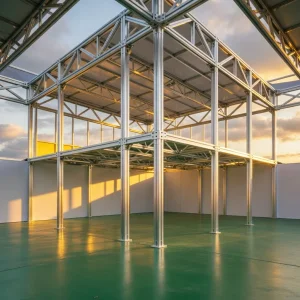
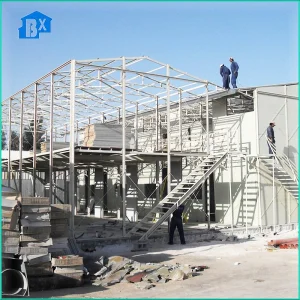
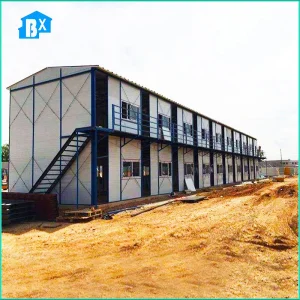
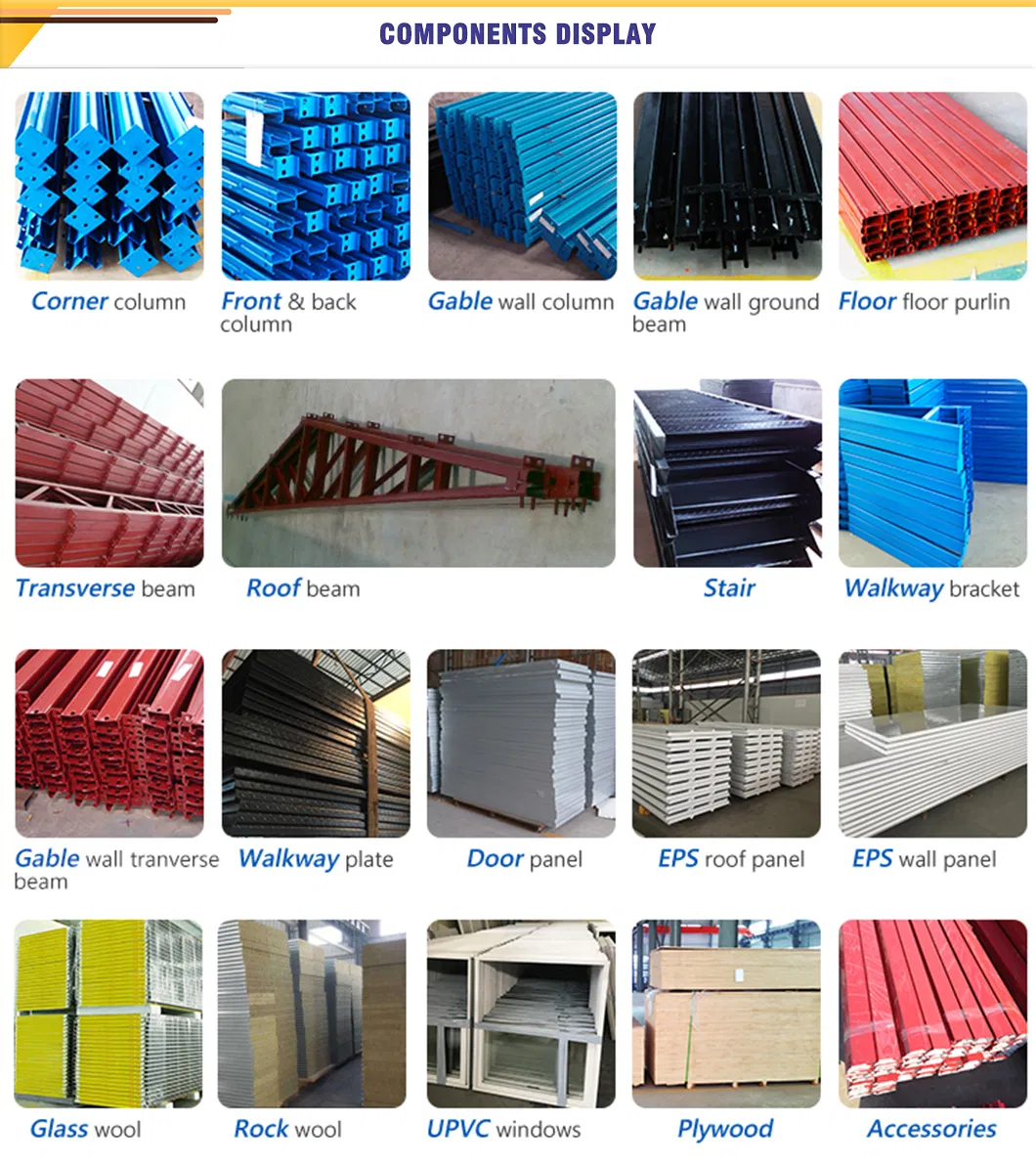
Frame System: Utilizes a light steel structure (K-shaped steel or C80# steel) as the main framework, enabling modular assembly via standardized modules (e.g., 1820mm or 2000mm). Components are bolted for rapid installation and disassembly.

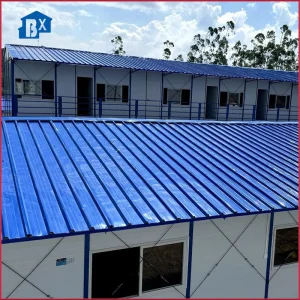
Enclosure System: Walls consist of 50mm-thick double-sided color steel sandwich panels. Roof features 20mm-thick PU tiles or color steel sheets, offering waterproofing, insulation, and thermal retention.
II. Primary Applications

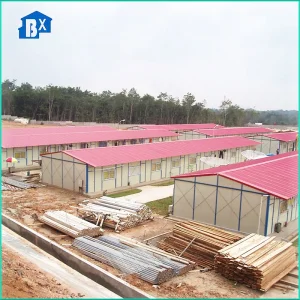
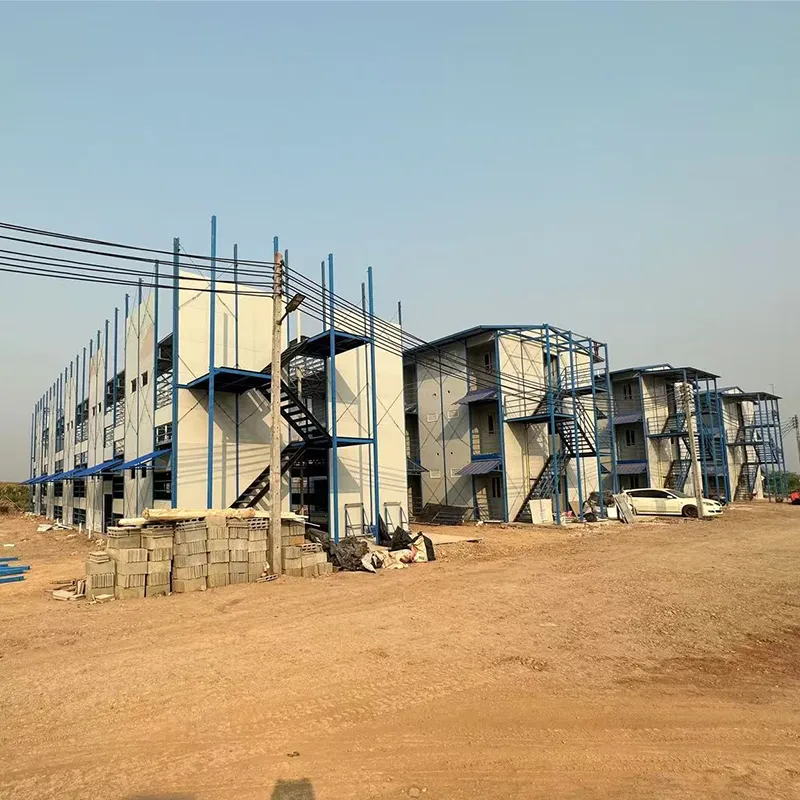
Construction Sites: Temporary dormitories, offices, warehouses.
Public Facilities: Emergency shelters, mobile hospitals, schools.
Commercial Use: Pop-up stores, outdoor camps, showrooms.

III. Key Performance Features

Seismic Resistance: Floor live load of 150 kg/sqm; seismic resistance up to Grade 7.

Wind Resistance: Sloped roof design withstands Grade 10 winds.

Installation Efficiency: A 4-person team can install 80-100 sqm/day; reusable for over 10 cycles.
IV. Advantages & Differences

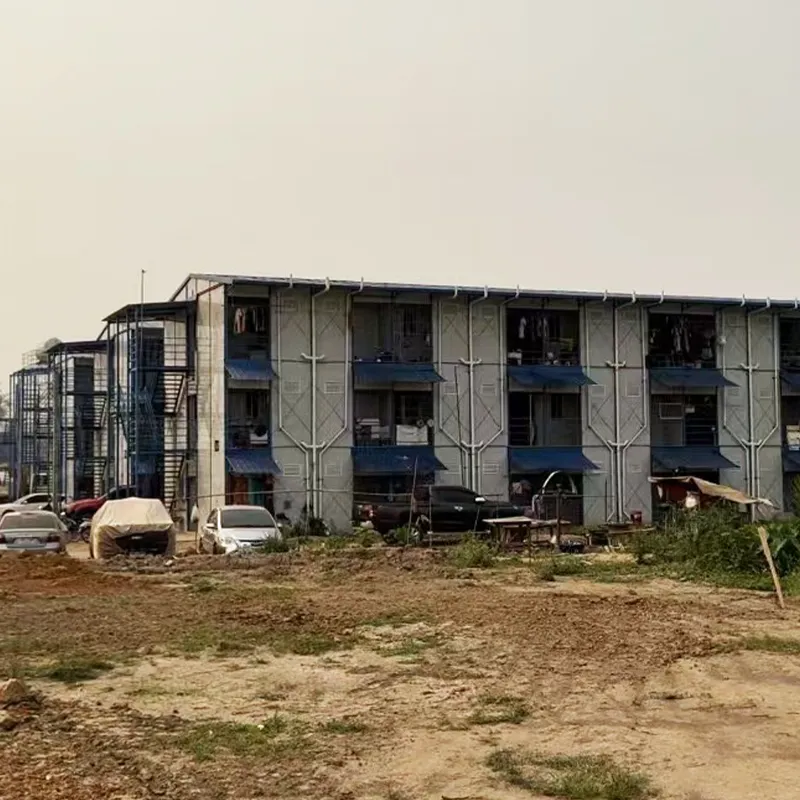
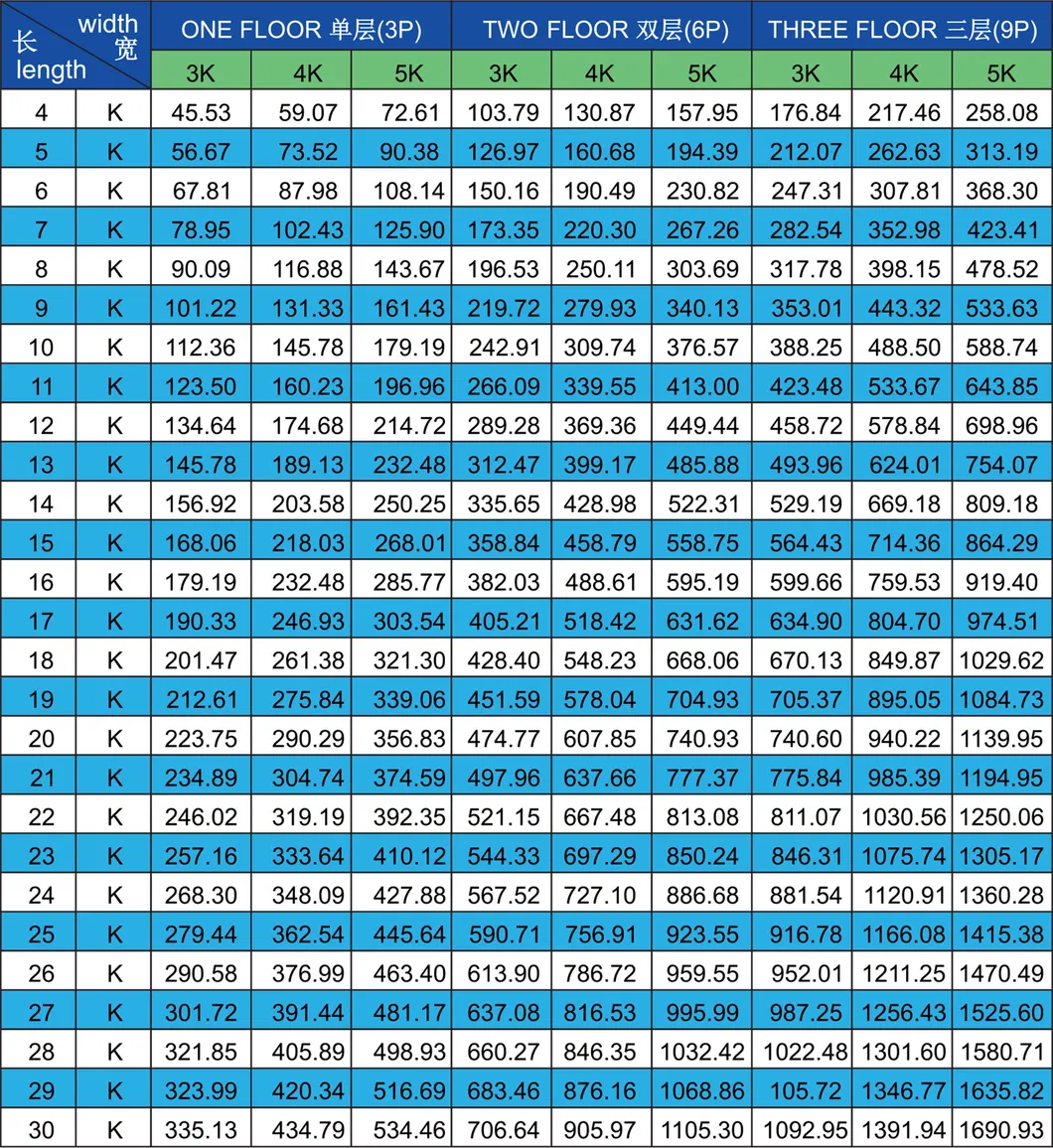
Flexible Layout: Adjustable partitions, doors, and windows; expandable up to triple stories. Steel components are anti-corrosion treated with a lifespan exceeding 10 years.

K-type vs T-type: K-type uses a K-shaped steel frame for superior wind/seismic resistance, ideal for harsh outdoor environments, while T-type prioritizes mobility.
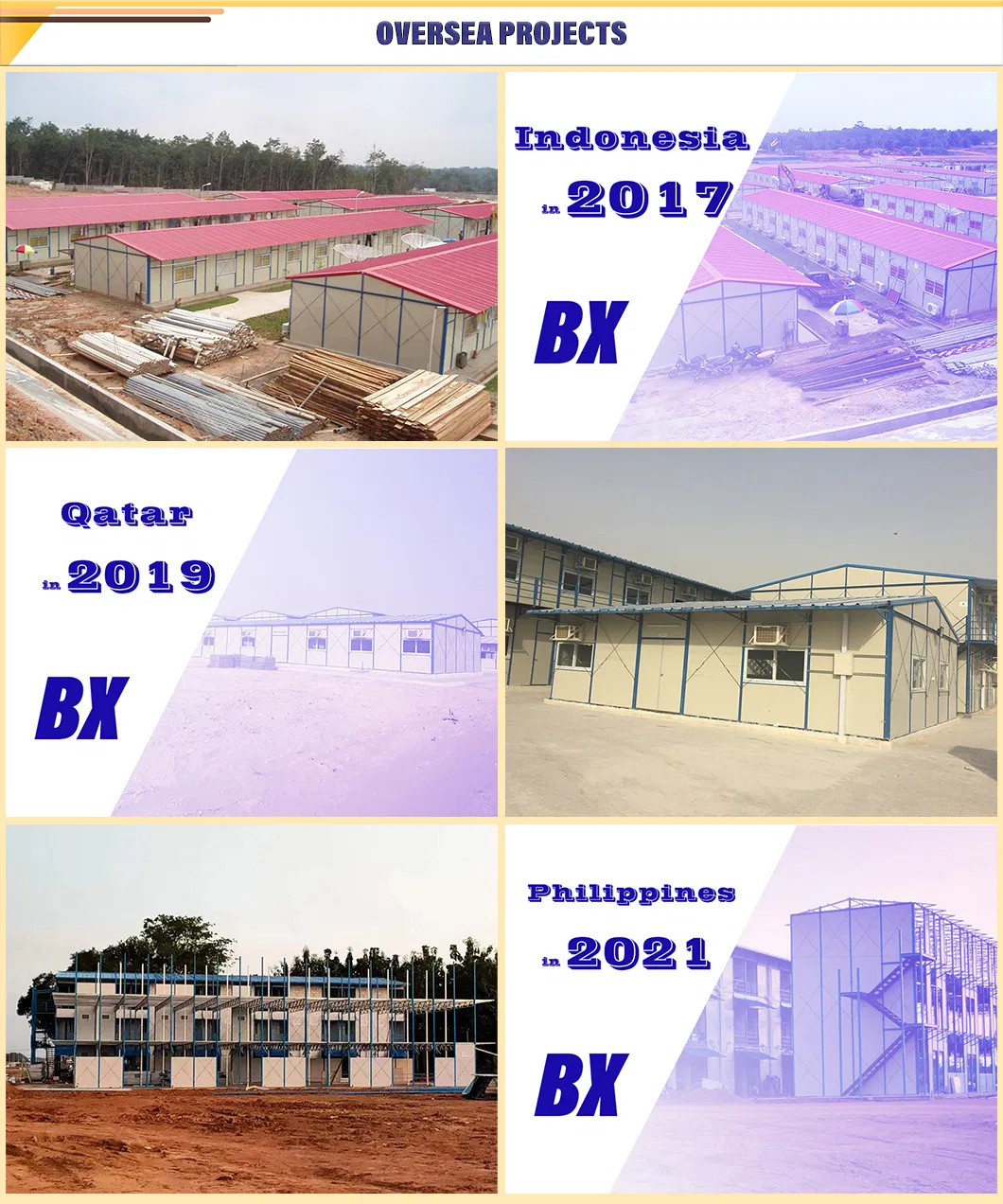
Project Display

Frequently Asked Questions

1. How to install the houses on site?
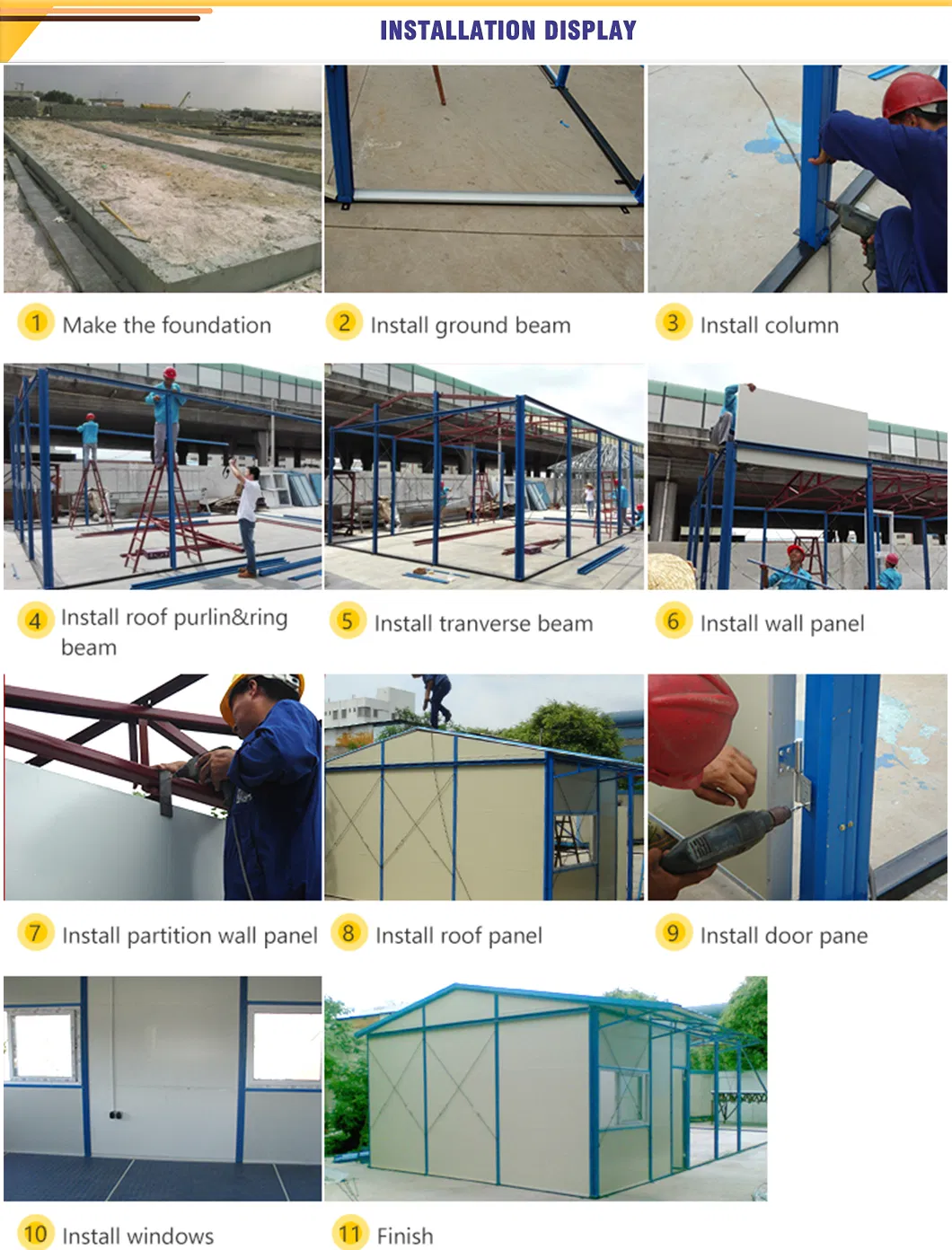
We provide detailed manuals with photos, drawings, and videos. Most clients (93%) complete installation using these resources with local labor. Technical guidance or on-site installation teams are also available for larger projects.
2. What are the main advantages of prefab houses?
Key benefits include recyclability (can be disassembled and moved), lower costs compared to traditional buildings, rapid installation (150 sqm/day with a skilled team), and high safety ratings (seismic and wind resistance).
3. How should a prefab house be maintained?
Avoid structural changes like removing screws or cutting walls after installation. We recommend re-painting every 1-2 years to extend service life and maintain aesthetics. Ensure no electrical wires are tied directly to the steel frame.
4. How many floors can be built with K-style houses?
K-style prefab houses are typically recommended for 1 or 2 floors. While 3 floors are possible, we suggest T-house designs with H-shaped steel for buildings exceeding 3 stories.
5. What insulation materials are available?
We offer four primary thermal insulation options: EPS sandwich panels, glass wool sandwich panels, rock wool sandwich panels, and PU (polyurethane) sandwich panels.
6. What foundation is required for K-style houses?
In most cases, a strip foundation is used. We provide specific foundation drawings to assist with the preparation process.

Related Products