Discover our primary suite of prefabricated modules, heavy-duty formworks, and solar energy integrations designed to optimize global building lifecycles.
A deep dive into regulatory frameworks, energy performance indices, and structural standardizations.
In the modern commercial landscape, the demands of urban density, rapid development cycles, and aggressive sustainability mandates (such as European Green Deal directives) have pushed modular building designs to the forefront. Under the European Commission's guidelines, structural materials and pre-engineered modules must carry CE Certification (EN 1090-1 / EN 13501-1) to certify stability, load-bearing capacities, fire retardancy, and overall energy performance indices.
Compliance with the Construction Products Regulation (CPR) ensures that the prefabricated steel modules manufactured by modern factories meet crucial harmonized European standards. For structural steel components used in containerized units, compliance with EN 1090 execution classes (EXC1 and EXC2) guarantees structural safety under seismic wind loads up to Zone 4. This robust compliance protects developers against legal friction and guarantees structural viability under extreme environmental stressors.
Why manufacturing partnerships in Zhejiang Province drive significant value, speed, and design agility.
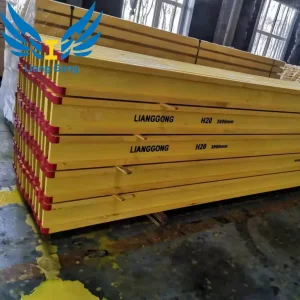
By leveraging highly concentrated local suppliers of premium cold-formed steel and fireproof sandwich insulation panels (Rockwool, PIR, PU), factories optimize costs and pass down substantial economies of scale to international procurement teams.
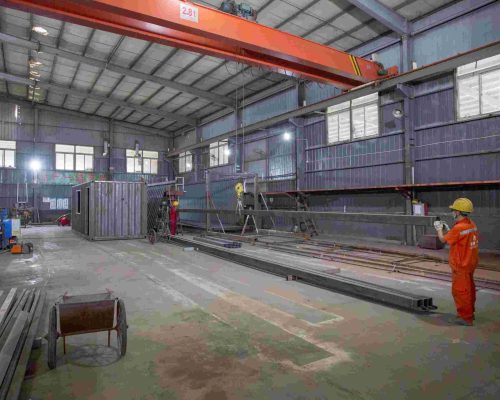
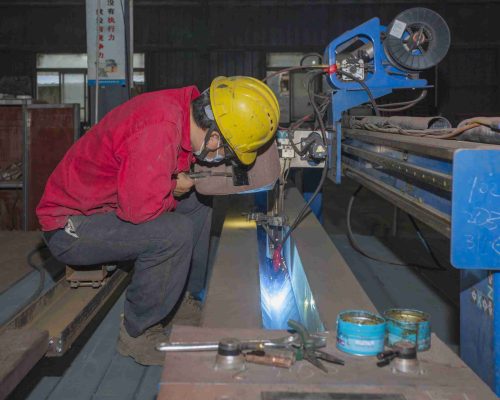
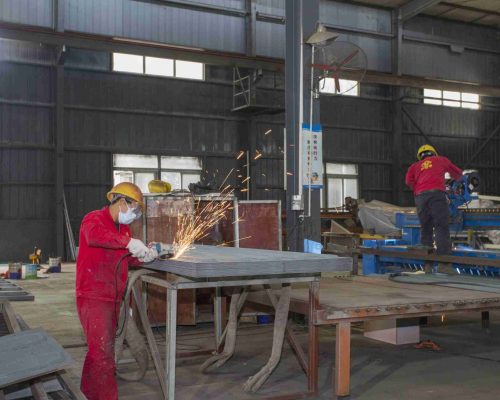
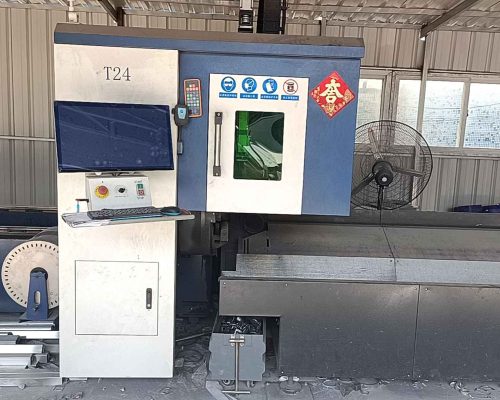
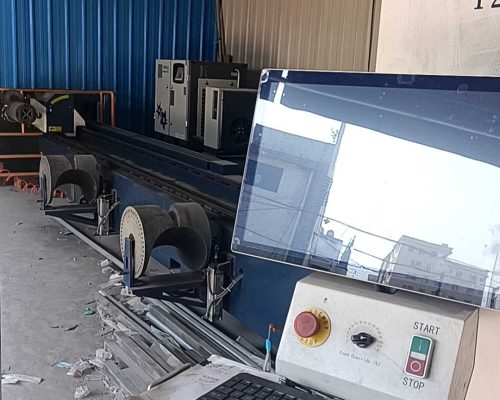
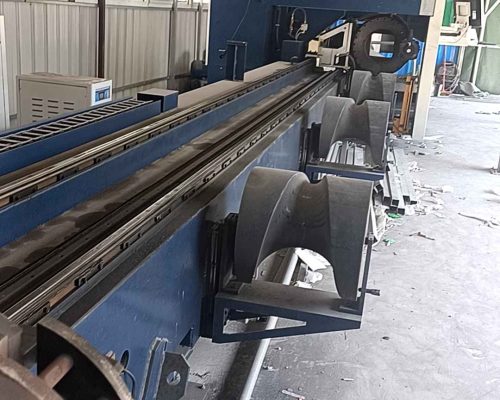
Utilizing high-precision CNC laser cutting systems and automated welding robots, structural components are built to sub-millimeter tolerances, reducing alignment failures during site modular installations by up to 98%.
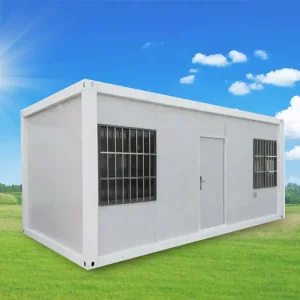
Proximity to Ningbo-Zhoushan and Shanghai ports significantly lowers inland freight expenses and expedites custom procedures, ensuring flat-packed container houses ship directly and safely without transport delays.
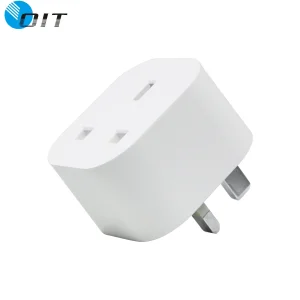
In addition, the cross-pollination of the technology sector in eastern China has enabled the integration of localized smart solutions, such as Oit-Sp23 Model British Smart Sockets and smart microgrids. Our factories do not merely build structural shells—we embed intelligent building automation directly into the structural fabric during primary assembly.
From remote extractive operations to premium micro-living units, our modular designs adapt dynamically.
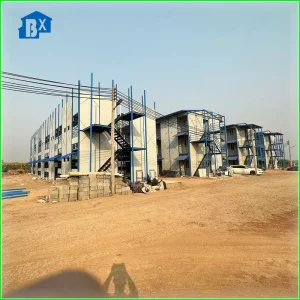
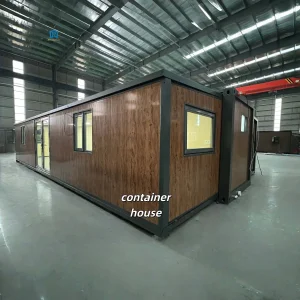
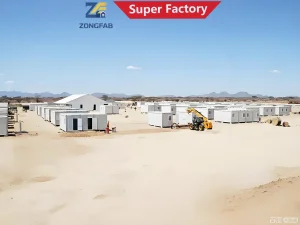
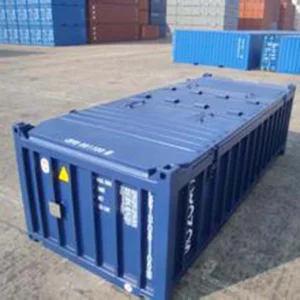
Mining, drilling, and infrastructure contractors require high-durability housing in unforgiving environments. Through configurations like our Steel Living Detachable Assembly Prefabricated Container Buildings, companies can establish reliable housing camps for hundreds of staff within weeks. These setups include specialized units like Half Height Containers with steel lids for mineral transport and site containment.
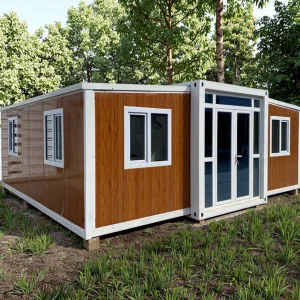
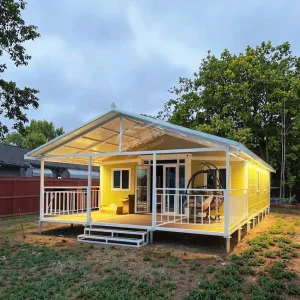
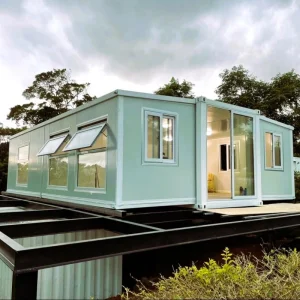
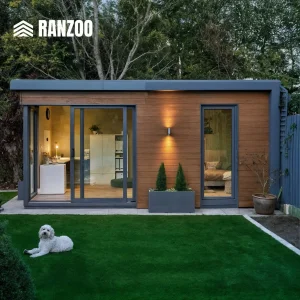
Residential developers and private landowners face zoning and space constraints. Flat-pack guest suites and expandable tiny homes like the Canada CE Approved Mobile Tiny Home Solutions provide dynamic property expansion opportunities. These structures serve as home offices, glamping suites, or accessory dwelling units (ADUs), boosting yield and functional space on a minimal footprint.
How zero-emission targets, circular economy initiatives, and green certifications guide future projects.
Using repurposed structures or structures optimized for circular end-of-life cycles is a major pillar of ESG targets. Products like the Sustainable Housing Alternative: Cost-Effective Modular Design Built From Recycled Shipping Containers prevent significant carbon expenditure compared to cast-in-place concrete. Life Cycle Assessments (LCAs) demonstrate that modular steel constructions cut embodied carbon by up to 45% over standard architectural lifetimes.
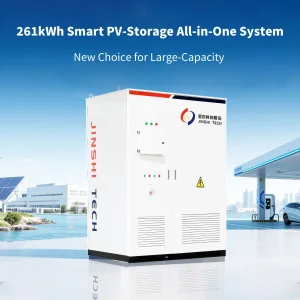
Deploying remote structures requires localized energy resilience. Pre-integrating the OEM ODM Customized Integrated off Grid Hybrid Solar Cell Energy Storage System Solution ensures reliable power availability without demanding extensive local utility hookups. Built-in storage batteries and inverter systems buffer peak power consumption, protecting sensitive hardware or appliances in critical remote locations.
Providing customized modular containers and housing solutions from the heart of Zhejiang.
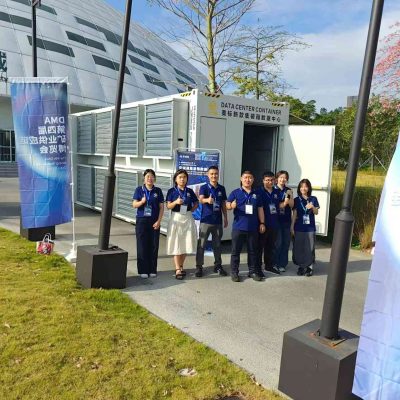
Established in 2013, Hangzhou CasaDe Home Co., Ltd. is a professional enterprise focusing on shipping container houses, expandable container homes, and modular data container centers. The company is located in Hangzhou, Zhejiang Province, China.
CasaDe Home is our overseas brand, dedicated to providing innovative and customized container space solutions. We specialize in creative design and personalized customization services to meet the diverse needs of global customers. With years of industry experience and a highly skilled team, we are committed to delivering high-quality products and reliable services to ensure maximum customer satisfaction.
Since its establishment, Hangzhou CasaDe Home Co., Ltd. has firmly upheld the belief that “safety builds the foundation, integrity earns trust.” Reliability and honesty are our unchanging commitments to customers. With a diamond-like standard of quality, we are devoted to building your ideal living space and turning your vision of a perfect home into reality.
"An Italian poet once said that everyone carries a world on their back. At times, the weight of life leaves us searching for a place to rest—a quiet space to call home. CasaDe Home, with dedication and craftsmanship, is here to reach your heart."

Answers to complex logistical and technical questions when importing prefabricated spaces.
From customizable camper chassis to climate regulation units, explore our supplementary system solutions.
 CasaDe Home