Engineered to support smart operations, off-grid energy needs, and robust modular expansions.
The acceleration of global climate commitments has turned corporate real estate into a frontline for environmental stewardship. Globally, enterprises are re-evaluating traditional structural formats in favor of modular systems to satisfy stringent ESG (Environmental, Social, and Governance) parameters. Modular construction drastically curtails Scope 3 supply chain emissions by standardizing production in a controlled factory environment.
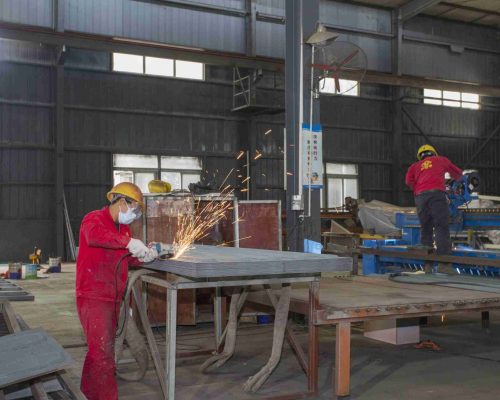
Traditional on-site builds generate massive amounts of waste, cause prolonged localized noise and dust pollution, and incur high transport emissions. Conversely, our pre-engineered modular offices optimize material usage, utilizing recyclable structural steel components and eco-conscious insulation systems. By moving over 90% of the building assembly phase to our advanced factory in Zhejiang, China, we enable multi-national enterprises to deploy regional office facilities with minimal environmental disturbance and absolute precision.
Modern corporate projects demand documentation for LEED, BREEAM, and DGNB rating configurations. Standardized material schedules, low-carbon steel sourcing, and energy-efficient building envelopes form the bedrock of our design criteria.
Delivering high thermal efficiency, extreme structural durability, and custom plug-and-play internal MEP (Mechanical, Electrical, Plumbing) integration.
Utilizing high-density polyurethane (PU) or rockwool sandwich paneling (thicknesses ranging from 50mm to 150mm) to attain superior thermal resistance (R-values). This effectively minimizes heat transmission, drastically reducing building HVAC energy dependency in sub-zero and tropical zones.
Engineered with hot-dip galvanized Q235B or Q345B steel frameworks, our office modules are built to sustain extreme local stresses. They are verified to withstand seismic activity (up to Grade 8 intensities) and heavy coastal wind pressures exceeding 140 mph (220 km/h).
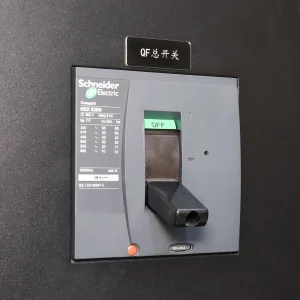
Electrical circuits, standard network cabling, and plumbing lines are factory pre-installed within internal cavities. This design aligns with AS/NZS, UL, CE, and CSA standards, allowing simple site-level connection to local utilities or off-grid power banks.
Forging the Future of Innovative, High-Quality Mobile and Modular Spaces Globally.
Established in 2013, Hangzhou CasaDe Home Co., Ltd. is a professional enterprise focusing on shipping container houses, expandable container homes, and modular data container centers. The company is located in Hangzhou, Zhejiang Province, China. Under our overseas brand, CasaDe Home, we deliver customized, creative, and highly scalable container space solutions designed to align with strict structural codes across North America, Europe, Australia, and Africa.
Our operation is anchored in specialized engineering capability, deep integration of green architectural components, and end-to-end quality assurance systems. For CasaDe Home, every structural container is more than a utility building—it is a functional space built for comfort, endurance, and circular sustainability. Since our inception, we have firmly upheld the philosophy that "safety builds the foundation, integrity earns trust." By applying diamond-standard quality audits, we turn spatial requirements into operational reality.

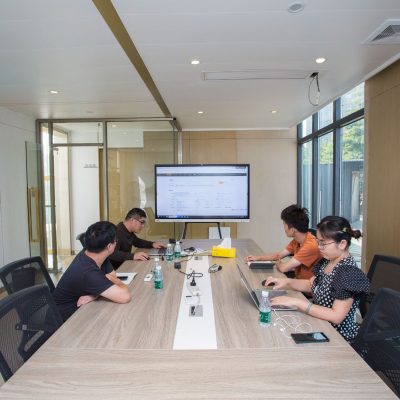

To provide global businesses with safe, fast-to-deploy, and structurally robust modular work environments that reduce corporate ecological footprints while maintaining premium interior comfort.
To lead the modular structural export industry by integrating renewable energy modules, low-emission materials, and smart automation systems into structural designs.
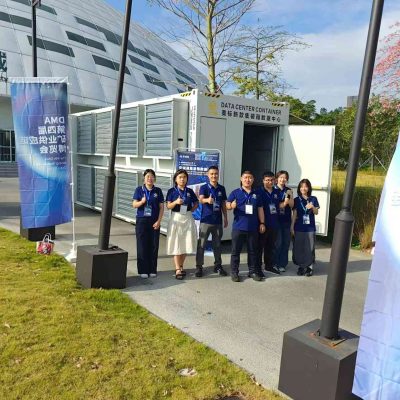
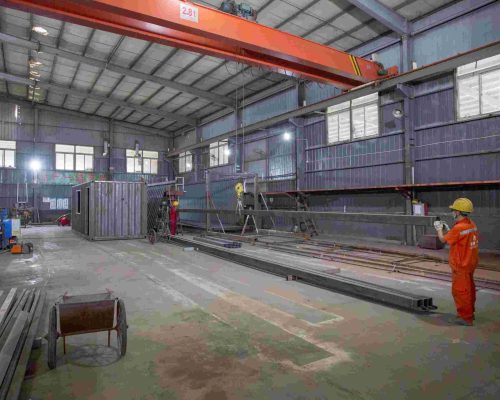
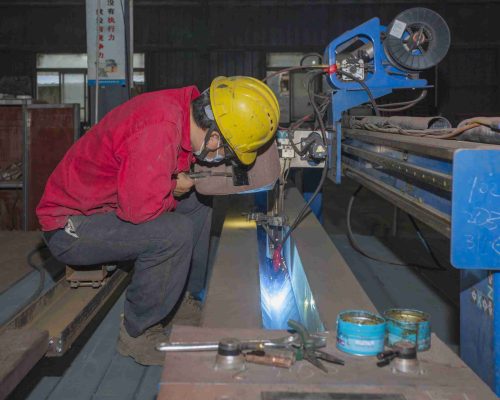
Navigating global regulatory landscapes requires systematic planning. We verify our steel structures against structural norms across different regions, including the International Building Code (IBC) for North America, EN 1993 (Eurocode 3) for European steel structures, and AS1170 for wind and seismic loading in Oceania.
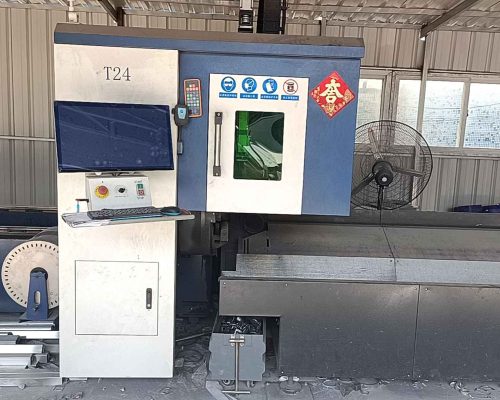
Each modular configuration undergoes detailed FEM (Finite Element Method) modeling prior to structural welding. This testing confirms that load pathways, joint shears, and deflection profiles remain within regulatory limits. Our factory holds ISO 9001:2015 and ISO 14001:2015 certifications, ensuring that every weld, coat of anti-corrosion paint, and electrical component satisfies strict performance standards.
Maximizing transport configurations to reduce global shipping overheads and enable rapid site installation.
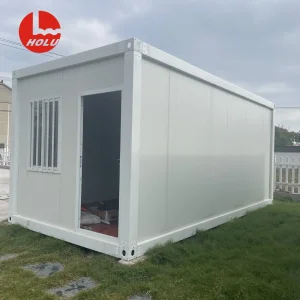
Every modular office structure is modeled in 3D CAD platforms to ensure standard flat-pack or ISO-standard container shipping profiles. By optimizing the design for tight shipping envelopes, we minimize transoceanic freight costs.
Given that components face high humidity and salinity during ocean transit, our structures undergo sandblasting to Class Sa 2.5 standards. This is followed by two coats of zinc-rich epoxy primer and acrylic topcoats to prevent rust formation.
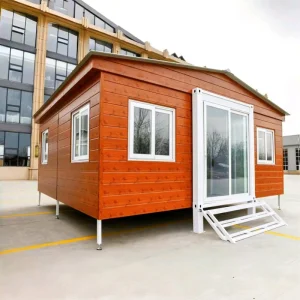
Heavy expandable units and capsule structures are fitted with certified ISO corner locks. This allows them to be secured, lifted, and stowed on standard cargo ships as dry freight containers, saving substantial import charges.
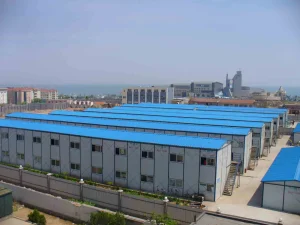
On-site assembly is designed for speed, utilizing bolt-together main connections that require no specialized welding. Typical configurations can be erected and connected to utilities by a small crew within 48 to 72 hours.
Crucial details for developers, architects, and procurement managers evaluating China-engineered modular solutions.
Our engineering division customizes design calculations for each region. For North America, we align with the IBC (International Building Code) and UL electrical specifications. For the European market, structural designs conform to Eurocodes, CE certifications, and thermal standards. For Australia and New Zealand, we configure designs to meet the NCC (National Construction Code) and AS/NZS structural standards, providing relevant calculations for structural approvals.
We primarily use polyurethane (PU) foam core panels, mineral rockwool, or PIR sandwich panels, with thickness configurations customized to the target climate (50mm to 150mm). These setups deliver high thermal insulation performance, keeping energy demand low in both very hot and cold regions.
Built with hot-dip galvanized steel frames and coated with multi-layer marine-grade anti-corrosion epoxies, our modular office systems have an operational life expectancy of 25 to 50 years under standard environmental conditions. Regular maintenance of external panel finishes and sealing joints will maximize the structural lifespan.
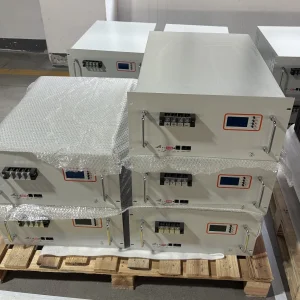
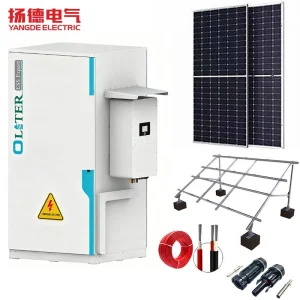
Yes. By integrating customized outdoor energy storage options, such as the Yangde hybrid solar cell cabinets or our 125kw/261kwh heavy cabinet systems, we can engineer self-contained electrical setups. These configurations are ideal for off-grid mining sites, remote fields, or long-term projects far from municipal electrical grids.
During the structural fabrication phase, all wiring, switches, sockets, distribution boxes, and data channels are installed within wall and ceiling voids. They terminate in junction boxes that conform to local codes (such as NEC, IEC, or AS/NZS), enabling rapid utility connections once the structures are placed on-site.
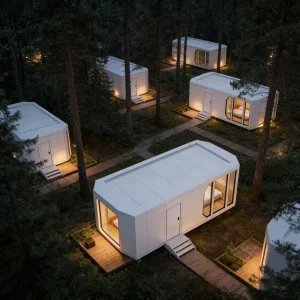
High-performance custom structures developed for campsites, commercial venues, and industrial offices.
Integrating smart technologies, structural updates, and circular lifecycles.
The convergence of advanced structural engineering and clean energy technologies is shifting modular offices from temporary buildings to permanent, intelligent workspaces. At Hangzhou CasaDe Home Co., Ltd., we are actively integrating IoT-driven building energy management systems (BEMS) directly into our modular framing systems. These systems monitor real-time occupancy rates, adjust HVAC and lighting loads dynamically, and feedback operational data to optimize building energy profiles.
Furthermore, our research in design modularity supports the transition to a circular construction model. At the end of their operational lifecycle, our offices are designed to be disassembled with simple hand tools. The modular components can then be repurposed, modified, or completely recycled, preventing demolition waste from entering local landfills. By pairing these designs with advanced insulation and renewable energy systems, we provide businesses with long-term infrastructure solutions that support global climate goals.
 CasaDe Home