CasaDe Home
1 / 5
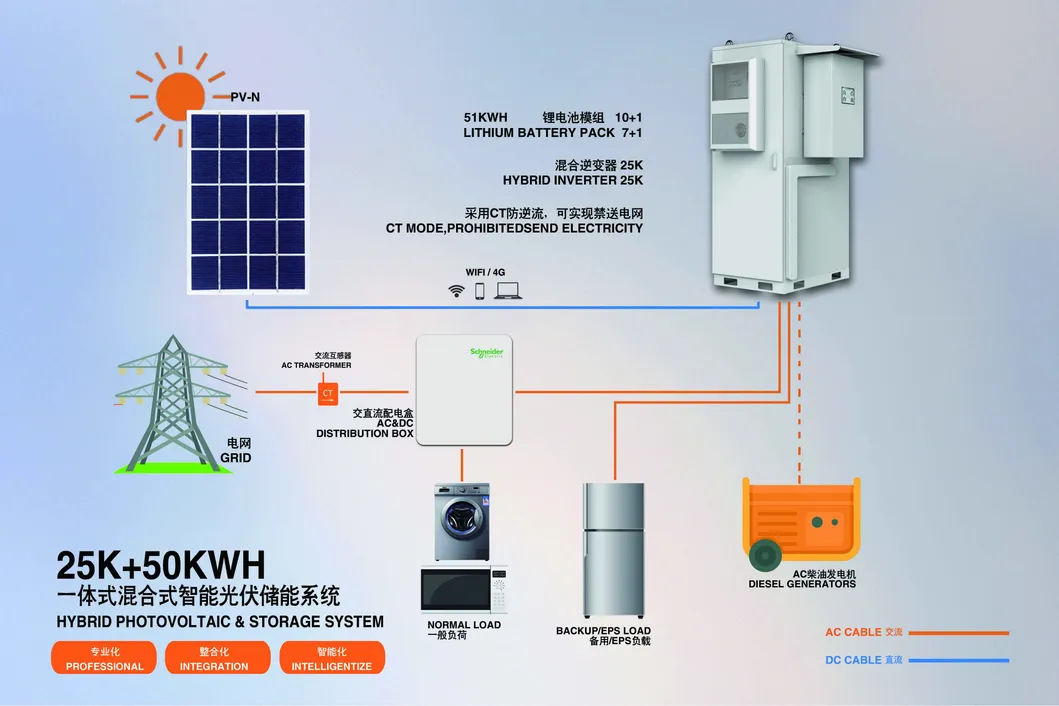
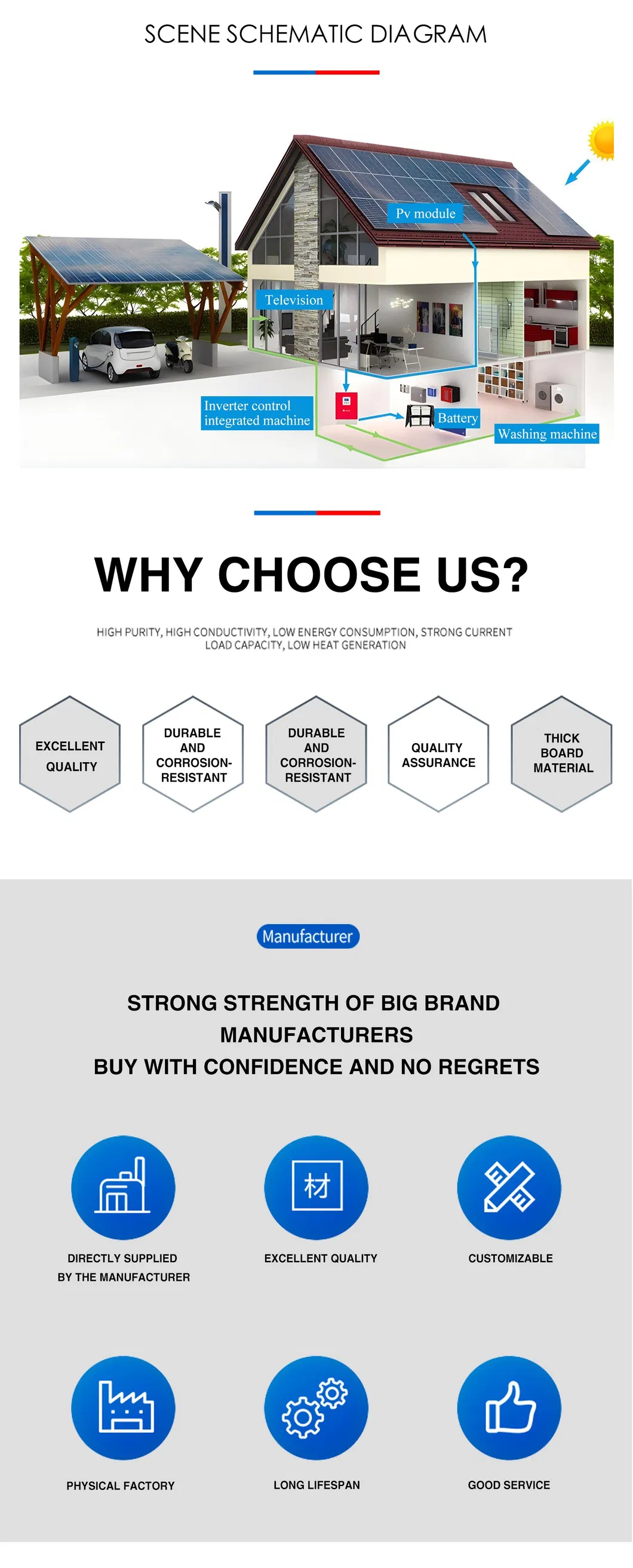
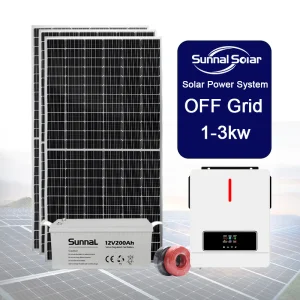
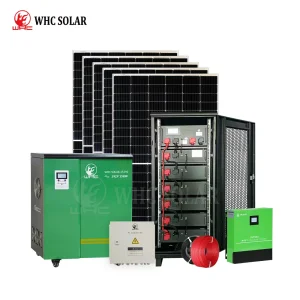
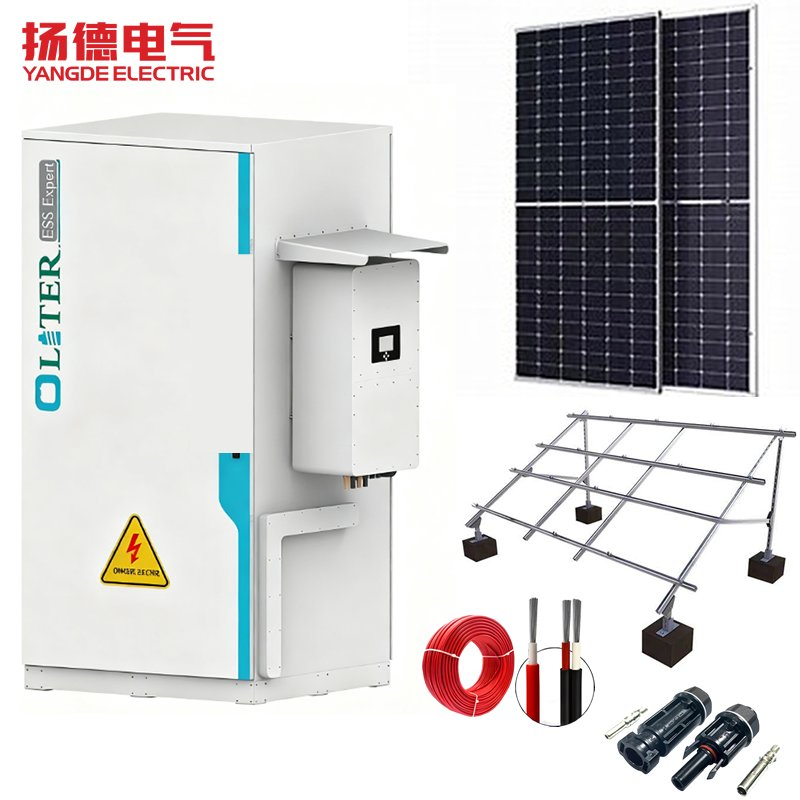
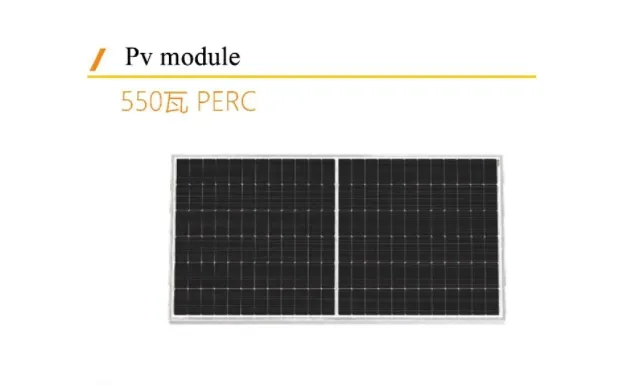
When sunlight irradiates solar panels, semiconductor materials absorb photon energy, generating electric current and converting solar energy into direct current (DC).
The DC power enters a controller which adjusts the charging process to the battery, ensuring safety and preventing overcharging.
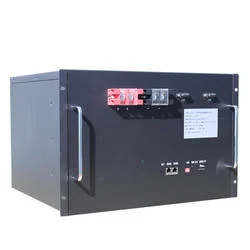
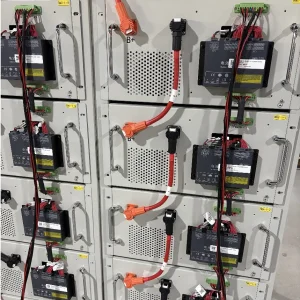
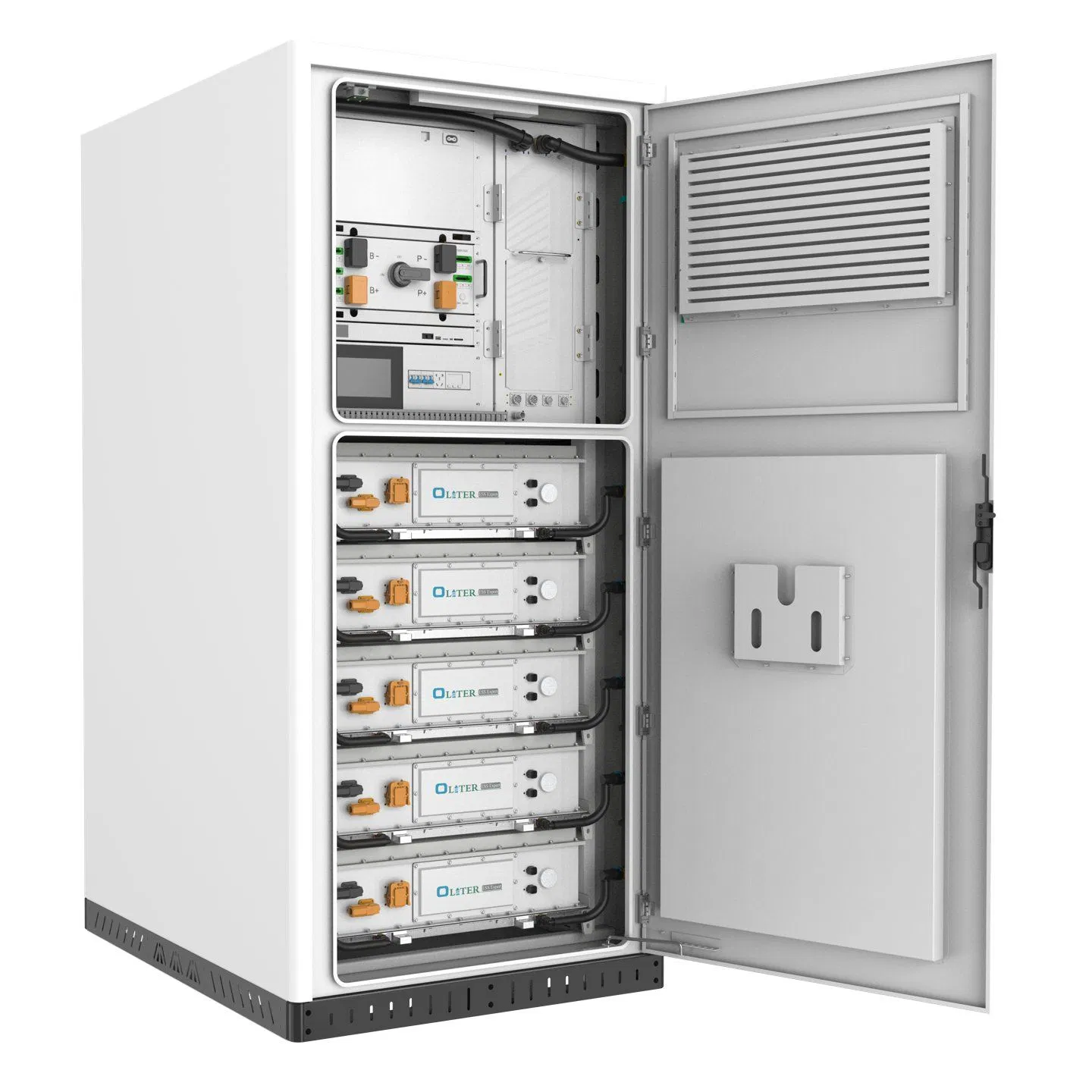
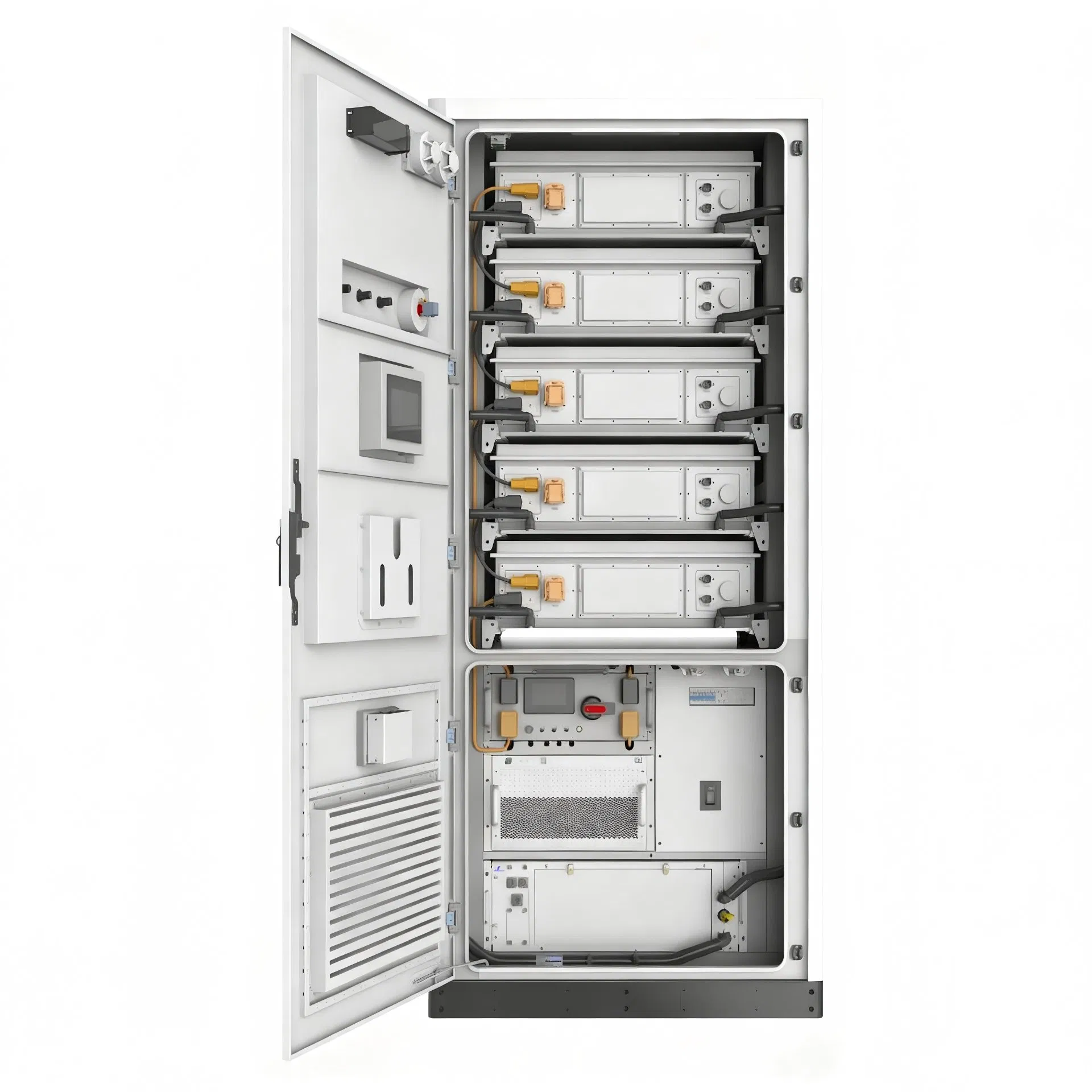
The battery stores electrical energy through chemical reactions. It reverses this process to output energy when sunlight is insufficient.
An inverter transforms DC power into standard alternating current (AC), regulating voltage and frequency for grid-standard requirements.
AC power is transmitted to electrical loads. The system dynamically balances supply based on real-time demand.
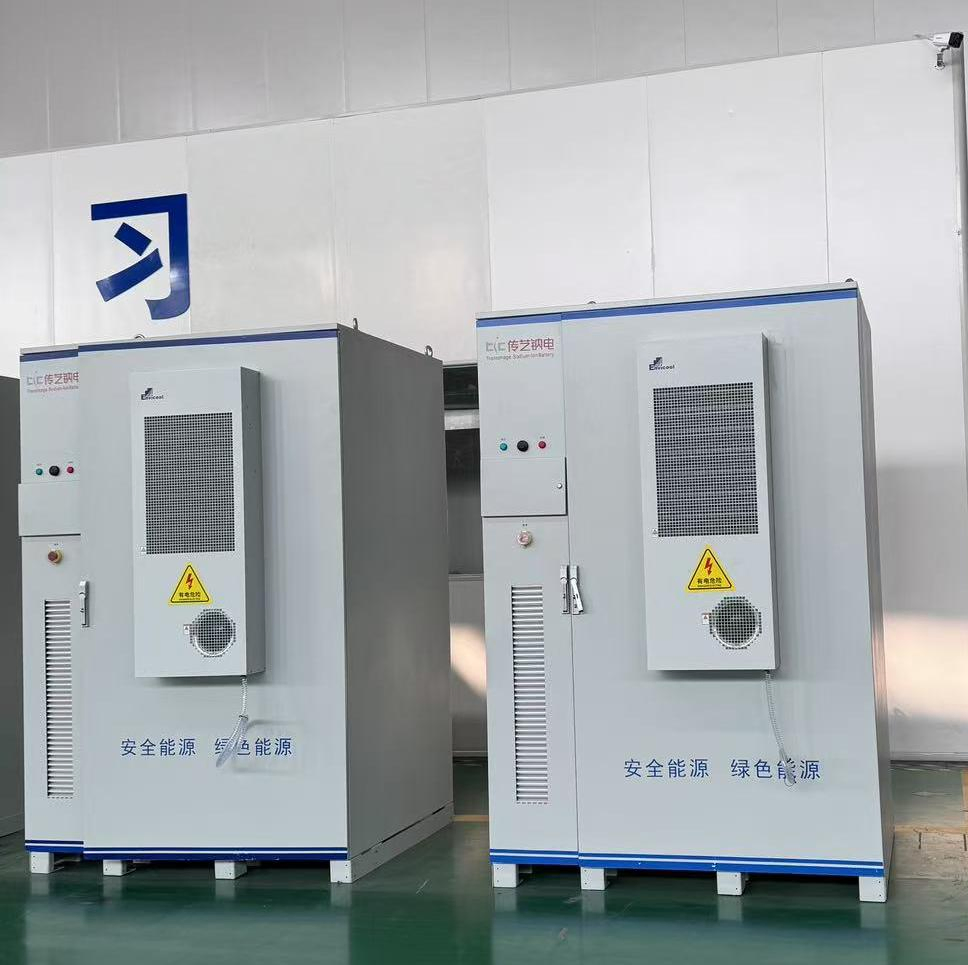
| System Parameters (Model: FH-261) | |
|---|---|
| Rated Output Power | 125 kW |
| AC Output Frequency/Voltage | 50/60Hz; 380/400Vac |
| Grid Type | Three-phase four-wire |
| Capacity | 261 kWh |
| Weight | ≤3000 kg |
| Battery Operating Voltage | 650~949 V |
| Maximum Cycle Efficiency | 92% |
| Protection Level | IP55 / C4 Corrosion Protection |
| Converter Parameters | |
|---|---|
| Rated Output Current | 157 A |
| Maximum Output Current | 200 A |
| Parallel Capability | Up to 8 machines |
| Power Factor | -0.99 ~ +0.99 |
| Maximum Efficiency | ≥99.0% |
| Communication | CAN, RS485, LAN |
| Battery Technical Parameters | |
|---|---|
| Cell Type | LFP 3.2V 314Ah |
| Standard Voltage | 166.4 V |
| Cycle Life | ≥6000 (@25°C, 0.5C, 70%EOL) |
| Operating Temperature | Charge: 0~55°C / Discharge: -20~55°C |
Uninterruptible Power Supply (UPS): Automatic switching to off-grid mode during grid failures to protect critical loads.
Economic Maximization: Peak-valley arbitrage allows charging during low-cost periods and discharging during peak prices.
New Energy Absorption: Smooths fluctuations from renewable sources like PV and wind for stable grid connection.
High Efficiency: Advanced conversion technology with minimal transmission loss.